


Stop Wasting Power on Your Glass Annealing
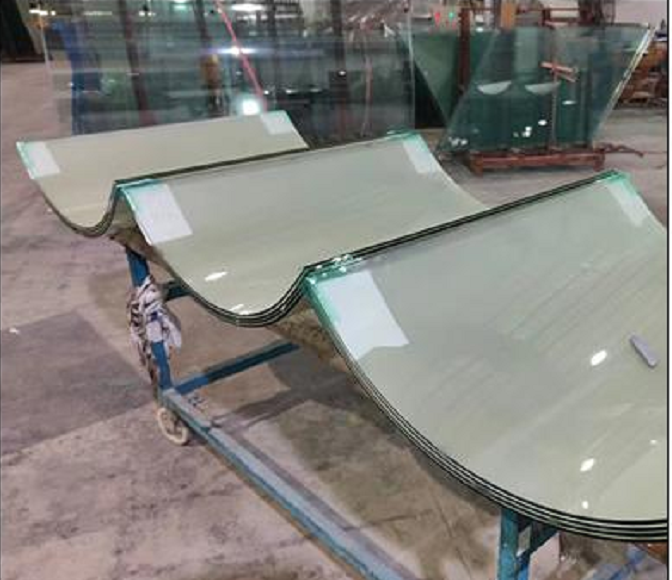
Let’s be honest: the annealing part of a tempering line is usually a total power hog. Most traditional setups spend a massive amount of energy just heating up the air and the oven walls. It’s a waste. You’re paying to heat the room, not the glass. That’s why we use shortwave infrared (IR) lamps. Instead of warming up the air and hoping the heat reaches the glass, these lamps shoot energy directly onto the surface. It’s a straight shot. Getting the heat where it belongs The trick to good annealing is hitting that soak temperature fast and holding it there without losing heat everywhere else. Our IR lamps pack a lot of punch across the whole length of the tube. Because they hit the exact absorption bands that glass loves, the glass spends way less time in the heating zone. Less time in the oven means lower kWh per square meter. Your electric bill will thank you. The nuts and bolts We build these things with high-purity quartz envelopes. Why? Because rapid cycling creates a ton of thermal stress, and cheap materials just crack. We also calibrate the tungsten filaments for specific voltage loads so you aren’t replacing burnt-out lamps every other week. Plus, because the radiation is so direct, you might find you can actually shrink the footprint of your oven. One quick tip:**Watch your reflectors.**If they get pitted or go out of alignment, you’re basically throwing 30% of your heat at the ceiling. Keep them polished. It’s a small chore that saves a lot of money. A few things to keep in mind Here’s the trade-off. When you crank up the heat flux with high-output lamps, your conveyor rollers and supports feel it too. You’re saving money on the glass heating, but you can’t ignore your cooling system. If the lamp ends get too hot, the quartz fails. Simple as that. Just make sure your airflow is balanced. You want the glass to get scorched, but the lamp sockets to stay cool. Get that balance right, and everything runs smooth.