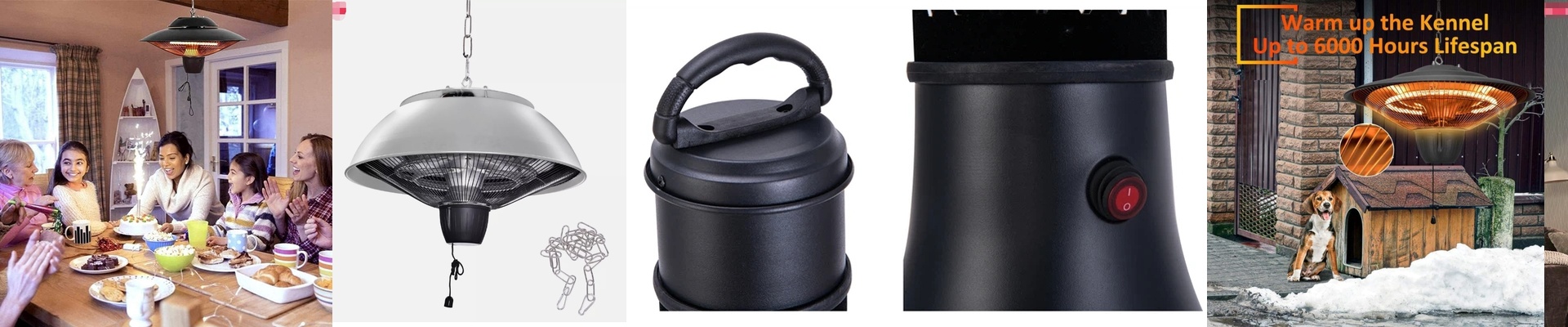
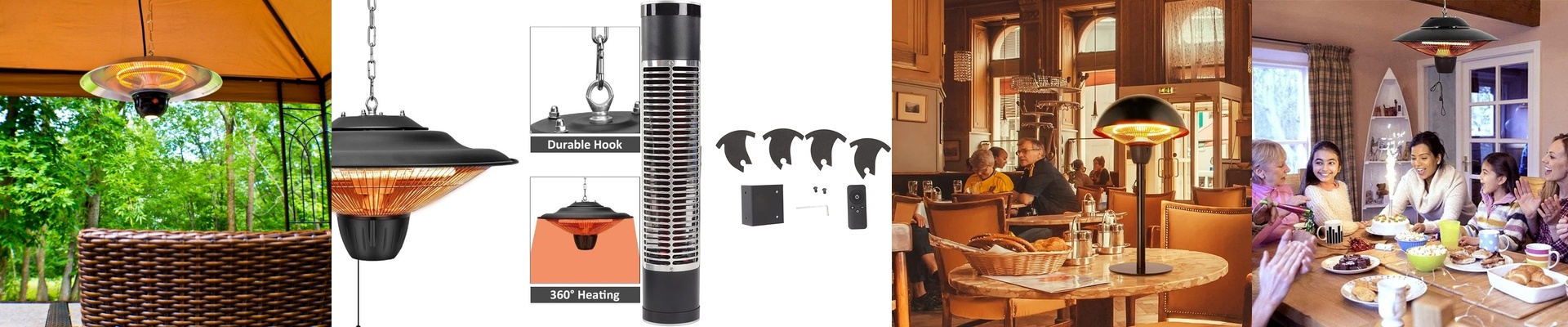
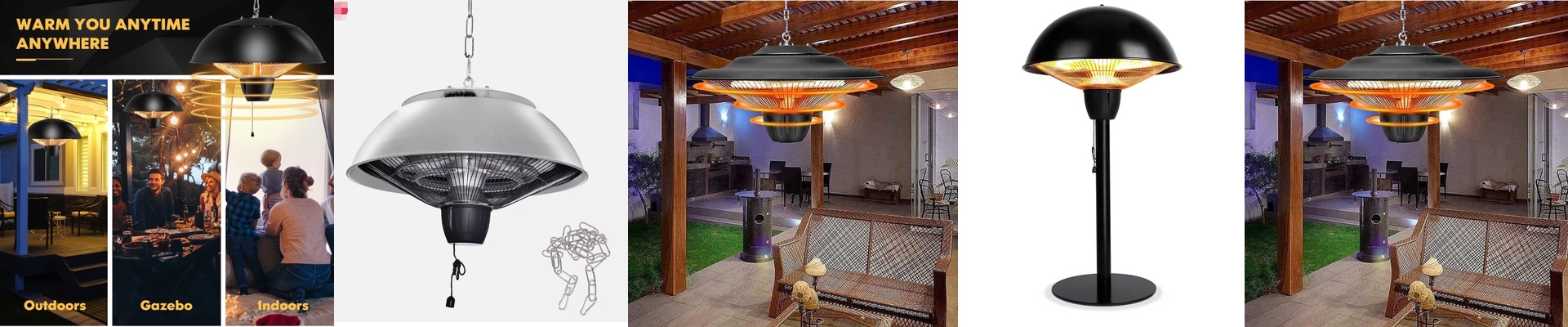
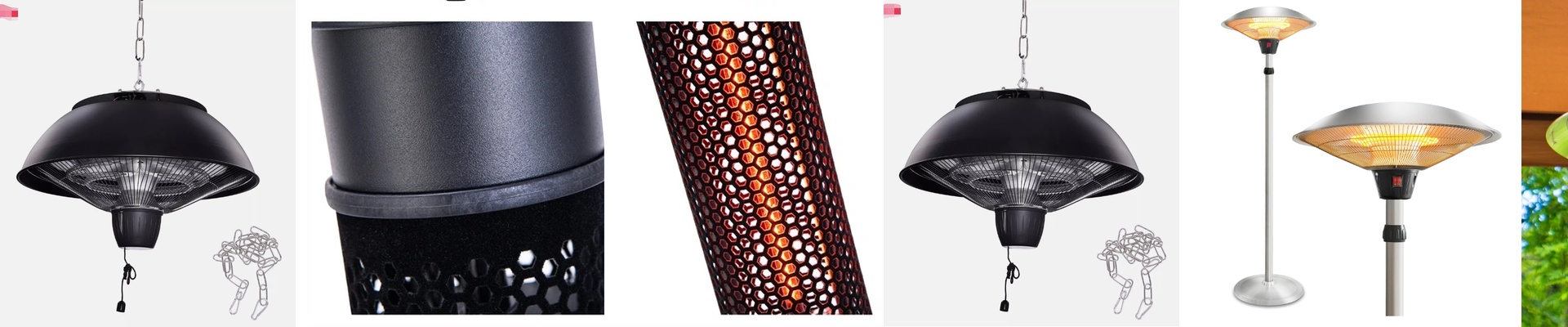
Press is set, adhesive is laid down, glass is seated. Then comes the step that decides everything: the cure. If the heat front isn’t clean, you’re putting micro-stress into the glass. Ramp too slow, and the adhesive traps moisture—bond line shows up like a ghost. Dwell off, and you pay for it in scrap and rework. In mobile phone glass curing, that lamp isn’t just a light. It’s a thermal tool, pure and simple. We built this lamp for the floor, not the brochure. The whole design comes down to one requirement: repeatable heat delivery that keeps yield up and cycle time tight.
What actually matters
Phone glass curing is short-cycle, high-volume. Temperature uniformity and repeatability run the show. The lamp has to lay down a stable thermal profile across the glass, and it has to respond fast so the line keeps moving without killing adhesion. We use short-wave infrared (SWIR) elements in a quartz envelope. Quartz handles thermal shock and keeps emissivity consistent, so the lamp can cycle hard without drifting. The output is tuned to match how modern glass and adhesive systems absorb energy—less wasted heat, less risk of surface overshoot. Specs are picked for real integration and control:
- Power: 1–3 kW per module, sized to the cure zone and throughput.
- Voltage: 240 V single-phase or 380 V three-phase, depending on the line.
- Response: Full output in seconds, so setpoints can switch fast between products.
- Control: Closed-loop temperature feedback with PID tuning, and multi-segment zone control.
- Optics: Reflector geometry that creates a uniform thermal field, keeping edge-to-center deltas small.
- Interface: Standard industrial connectors and PLC-ready signals for drop-in replacement. It’s not about peak temperature. It’s about controlling the curve—ramp, soak, and cool—so the adhesive cures through, and the glass stays flat, without thermal stress.
Why it holds up in production
Phone glass assembly has a tight window. The glass is thin, edges are often curved, and adhesive thickness is controlled down to the micron. A lamp that heats quickly but unevenly will give you hot spots and cold zones. That shows up as bond-line inconsistency, and later as field failures. Our lamp gives you a uniform thermal field across the part. The payoff is predictable adhesion and fewer rejects from bubbles, weak edges, or stress baked into the bond. When the heat profile is repeatable, you can tighten controls and run with confidence. It also keeps up with line speed. Fast ramp and stable dwell let you cure in seconds, not minutes, without overshoot. More parts per hour, less time waiting for temperature recovery. Energy use drops too, because the energy goes where it’s needed and the system isn’t idling at high power. We’ve seen units run 5,000+ hours with less than 5% output drop, measured against the initial calibration curve. That kind of stability means fewer stops for lamp changes and consistent quality shift after shift.
The details that trip you up
This lamp is meant as a drop-in heating module, but the floor has real constraints.
- **Clearance matters.**Give the lamp enough standoff from the glass to keep uniformity and avoid local hot spots. If the fixture is tight, plan the mounting and beam angle early.
- **Emissivity isn’t constant.**Coated glass, printed edges, and different adhesives change absorption. You may need to tune the profile per product, or use zone control on larger parts.
- **Electrical fit has to line up.**Match voltage, phase, and connector type to your equipment. A mismatch turns into downtime fast.
- **Thermal management is part of the system.**The lamp runs hot, and the surroundings matter. Keep airflow consistent and don’t trap heat in the enclosure. If you’re ready to move from batch-and-wait to controlled, high-yield curing, start by matching the lamp to the process window. We’ll size the power, set the control strategy, and dial in the profile so the lamp works with your line, not against it.
プレスがセットされ、接着剤が塗布され、ガラスがセットされる。次に全てを決定づける工程が来る:硬化だ。熱の前線が均一でなければ、ガラスに微小な応力がかかる。立ち上がりが遅すぎると接着剤が水分を閉じ込め、ボンドラインに幽霊のような跡が現れる。滞留が足りなければ、スクラップや手直しのコストを負うことになる。モバイルフォン用ガラスの硬化において、そのランプは単なる光源ではない。純粋に熱処理用のツールである。 我々はパンフレット用ではなく、現場用にこのランプを設計した。設計の全ては一つの要件に集約される:歩留まりを維持しサイクルタイムを厳しく管理するための、再現性のある熱供給だ。
実際に重要なこと
携帯電話用ガラスの硬化は短周期・大量生産である。温度の均一性と再現性が全てを左右する。ランプはガラス全体に安定した熱プロファイルを形成し、迅速に応答してラインの流れを止めることなく接着を維持しなければならない。 我々は石英封入の短波長赤外線(SWIR)素子を使用している。石英は熱衝撃に強く、放射率を一定に保つため、ランプは激しいサイクル運転でも出力の変動が少ない。出力は現代のガラスおよび接着剤システムのエネルギー吸収特性に合わせて調整されており、無駄な熱の発生を減らし、表面の過熱リスクを低減している。 仕様は実際の統合と制御を考慮して選定されている:
- 出力:1〜3 kW/モジュール、硬化ゾーンとスループットに合わせてサイズ設定。
- 電圧:ラインに応じて240 V 単相または380 V 三相。
- 応答性:数秒で全出力到達、製品間の設定切り替えを迅速に行える。
- 制御:PID調整付きの閉ループ温度フィードバックと多段ゾーン制御。
- 光学系:均一な熱場を形成するリフレクター形状で、エッジから中央の温度差を小さく維持。
- インターフェース:標準工業用コネクターおよびPLC対応信号で置換可能。 ピーク温度ではなく、ランプアップ、ソーク(滞留)、クールダウンの曲線制御に重点を置き、接着剤の完全硬化とガラスの平坦性を熱応力なしで維持することが重要である。
生産での信頼性の理由
携帯電話用ガラス組立は厳密な時間管理が必要だ。ガラスは薄く、エッジは曲面が多く、接着剤の厚みはミクロン単位で管理されている。早くても不均一な加熱は局所的なホットスポットや冷却ゾーンを生み、ボンドラインの不均一さとなり、その後の現場故障へとつながる。 我々のランプは部品全体に均一な熱場を提供する。その結果として接着の予測性が向上し、気泡や弱いエッジ、応力による不良が減少する。熱プロファイルが再現可能であれば、制御を厳格化して安定稼働が可能となる。 またライン速度にも対応する。高速立ち上げと安定した滞留により、過熱なく数秒で硬化が完了し、待機時間を減らして生産数を増やせる。エネルギー効率も向上し、必要な部分にのみ熱を投入し、高出力でのアイドリングを避けられる。 初期の校正曲線に対し、5,000時間以上稼働しても出力低下が5%未満の実績がある。この安定性はランプ交換の頻度を減らし、シフトごとに一貫した品質を維持することを意味する。
注意すべき細部
このランプはドロップイン式の加熱モジュールを想定しているが、現場には実際の制約がある。
- **クリアランスの確保が重要。**ランプとガラス間に十分な距離を保ち、均一性を維持し局所的なホットスポットを防ぐ。治具が狭い場合は設置方法とビーム角度を早期に検討すること。
- **放射率は一定でない。**コーティングガラス、印刷されたエッジ、接着剤の種類により吸収特性は変化する。製品ごとにプロファイルの調整や、大型部品ではゾーン制御が必要になる場合がある。
- **電気的な適合が必須。**電圧、相数、コネクターの種類を設備に合わせること。不適合はダウンタイムに直結する。
- **熱管理はシステムの一部。**ランプは高温で動作し、周囲環境が影響する。一定のエアフローを確保し、筐体内に熱がこもらないようにすること。 バッチ・待機型から制御された高歩留まり硬化へ移行する準備ができているなら、まずはプロセスウィンドウに合わせてランプを選定することから始める。出力を適切に設定し、制御戦略を立て、プロファイルを調整することで、ランプがラインと協調して動作する状態を作り出す。