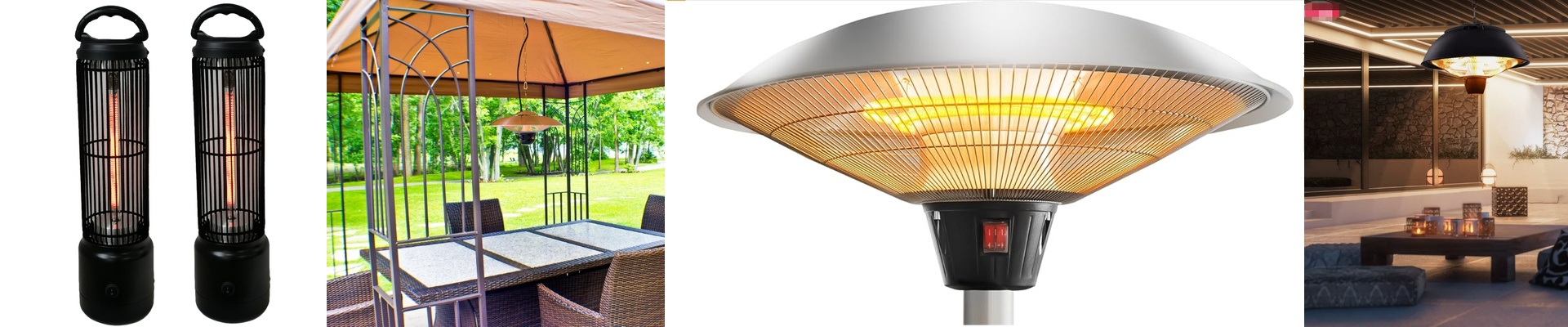
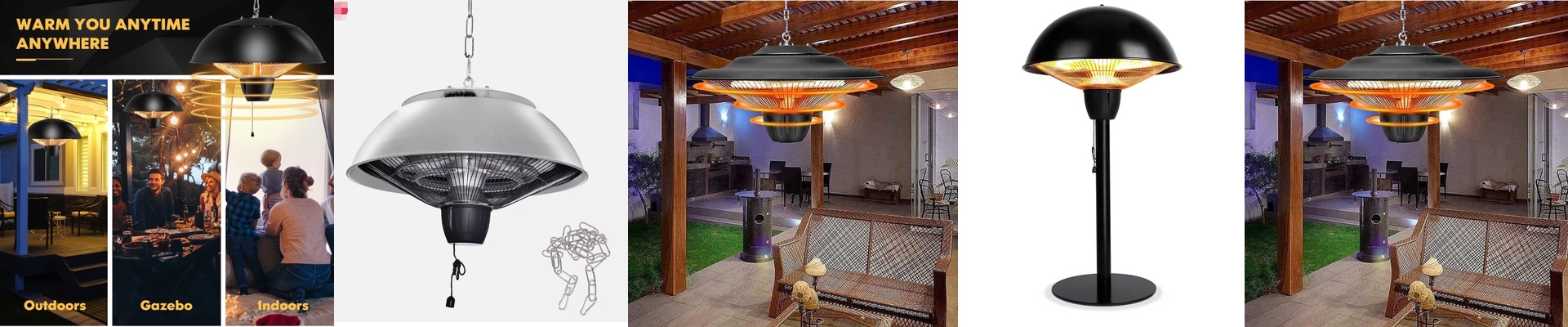
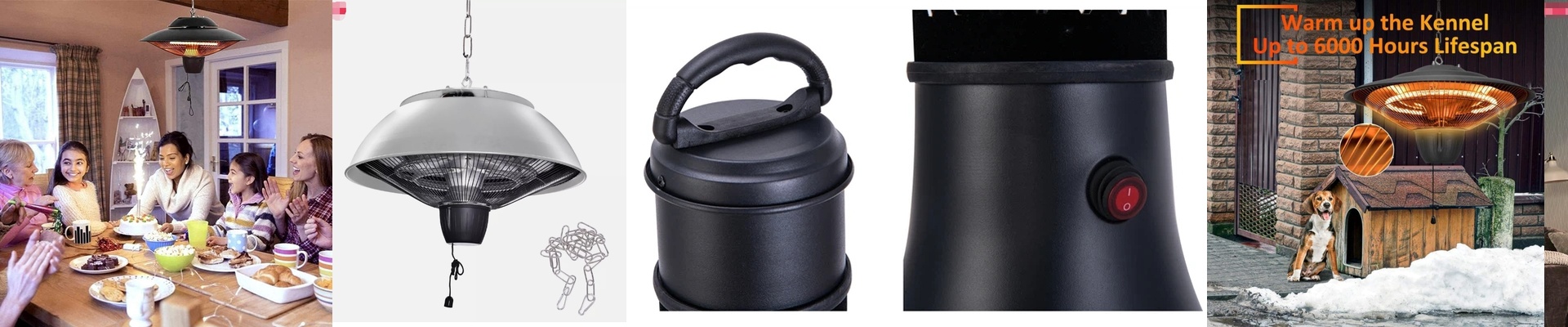
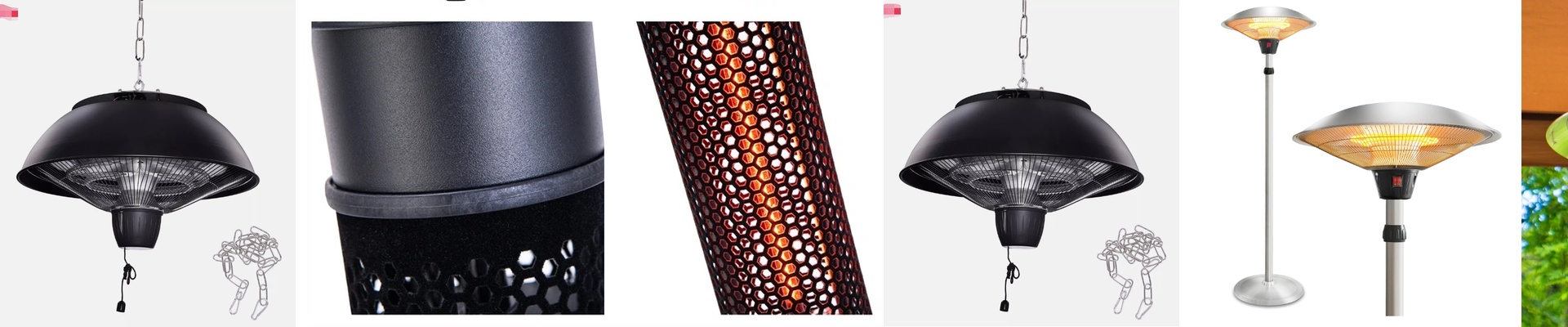
We built the 400V halogen radiant panel heater for one reason: to give industrial heating the focus and speed it actually needs. No fuss. No fluff. Just heat where you want it, when you want it. Here’s the thing—when your process can’t slow down and the temperature has to stay rock-solid, this heater steps up. It’s a direct answer to the kind of work that demands intensity without compromise.
The quick version that actually matters
We went with 400V because that’s what most plants are already wired for. It keeps the current lower for the same wattage, which means less line loss and a smaller footprint inside your control panel. Space is always tight—this helps you keep it that way. The heater is just 300mm long, so the heat zone stays concentrated. High watt density, small footprint. It’s exactly what you want when you need power without spreading it thin. At 2500W, it delivers the heat flux that makes fast cycles possible. But with that kind of punch, it needs a proper cooling path. We made sure the design handles the ambient heat in the machinery so the performance stays steady.
What makes it hold up when the heat is on
Halogen technology keeps the quartz envelope hot while keeping the filament stable. That stability is the difference between consistent performance and the burn-out that kills standard lamps too soon. And the wavelength matters. Shortwave infrared goes straight for rapid surface absorption. You heat the part quickly, instead of wasting energy heating the air around it. Installation is straightforward, too. The R7s connector is a proven two-pin ceramic interface. It locks in fast—no tools—and it can take the heat without softening. You get a solid connection, every time.
Where it shines and what it feels like to run
If you’re running PET blowing or similar processes, you know heat has to hit the work—fast. This heater’s compact build and high power density let you zero in on the preform or mold surface. The payoff is real: shorter cycle times, and more consistent results. And if you’re swapping out an existing system, it’s a drop-in replacement for R7s-mounted setups. No re-engineering the fixture. Wire it, set the control, and run. That simple.