
Introduction
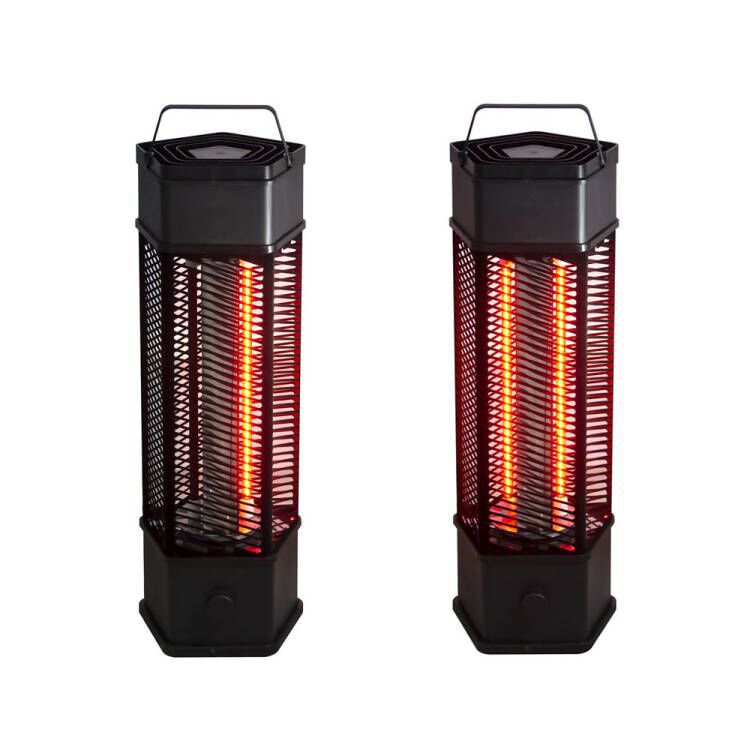
We built this corner fireplace heater around a 400V, 2500W halogen infrared tube. It was designed for engineers who just need a compact, high-intensity heat source that slips into tight spaces without forcing you to rework the whole assembly.
Technical Deep-Dive
Here’s the why behind the specs. We went with 400V to keep the current draw lower on the branch circuit. Compared to 230V, that means you can run smaller wires and worry less about voltage drop over longer runs. At 2500W, you get a lot of heat packed into a small footprint. And the tube? It’s 300mm long with a 10mm diameter. That size is a smart compromise. It’s short enough to fit corner-mounted reflector setups, but still big enough to hold the filament steady and keep output consistent.
Material & Design
The tube itself has a quartz envelope, filled with halogen gas. That combo keeps the filament stable, even at scorching temperatures, and helps it resist blackening over time. Then there’s the R7s connector. It’s a rigid, two-contact termination that can handle the wattage without wiggling loose as things heat up and cool down. The reflector coating is there for one reason: to steer the infrared energy where you want it. More forward heat. Less wasted sideways bleed.
Application & Benefits
In a corner fireplace heater, this setup gives you fast, focused infrared warmth with a clean, straightforward mechanical fit. The compact dimensions let you design a low-profile assembly that still delivers serious surface heating. Now, the trade-off: that 2500W density means you need proper airflow and heat sinking inside the housing. Give the system room to breathe, and nearby components stay happy. And if you’re swapping something out? The 300mm tube drops right in where existing R7s layouts live. So you can boost the output without redesigning the socket or the mounting rail.