
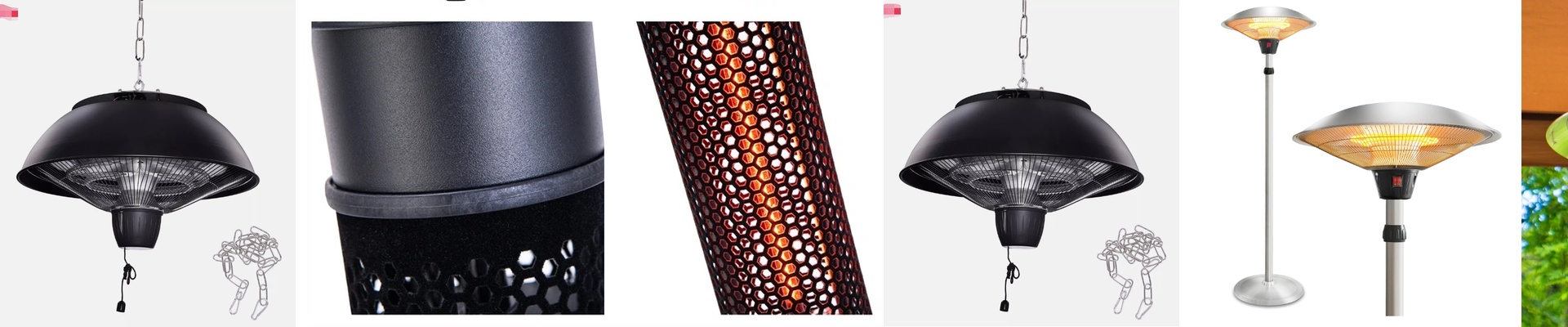
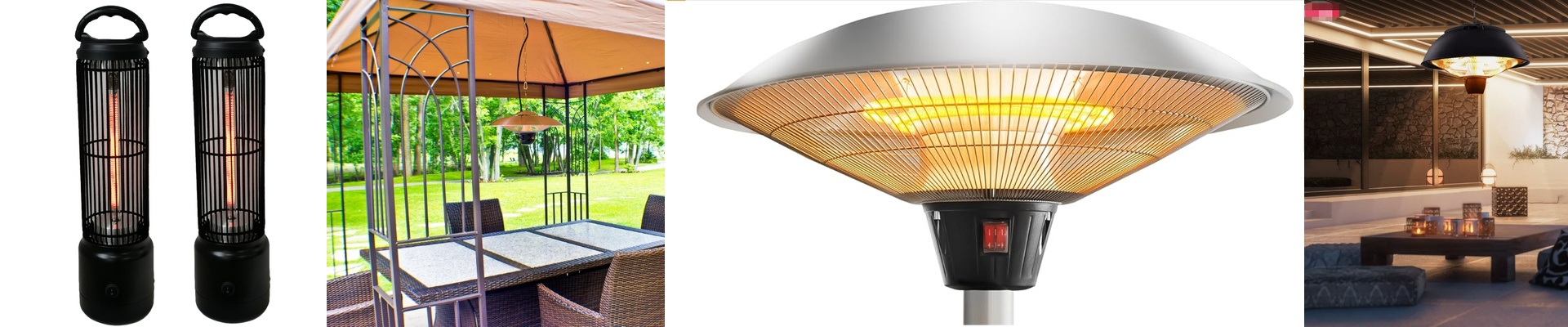


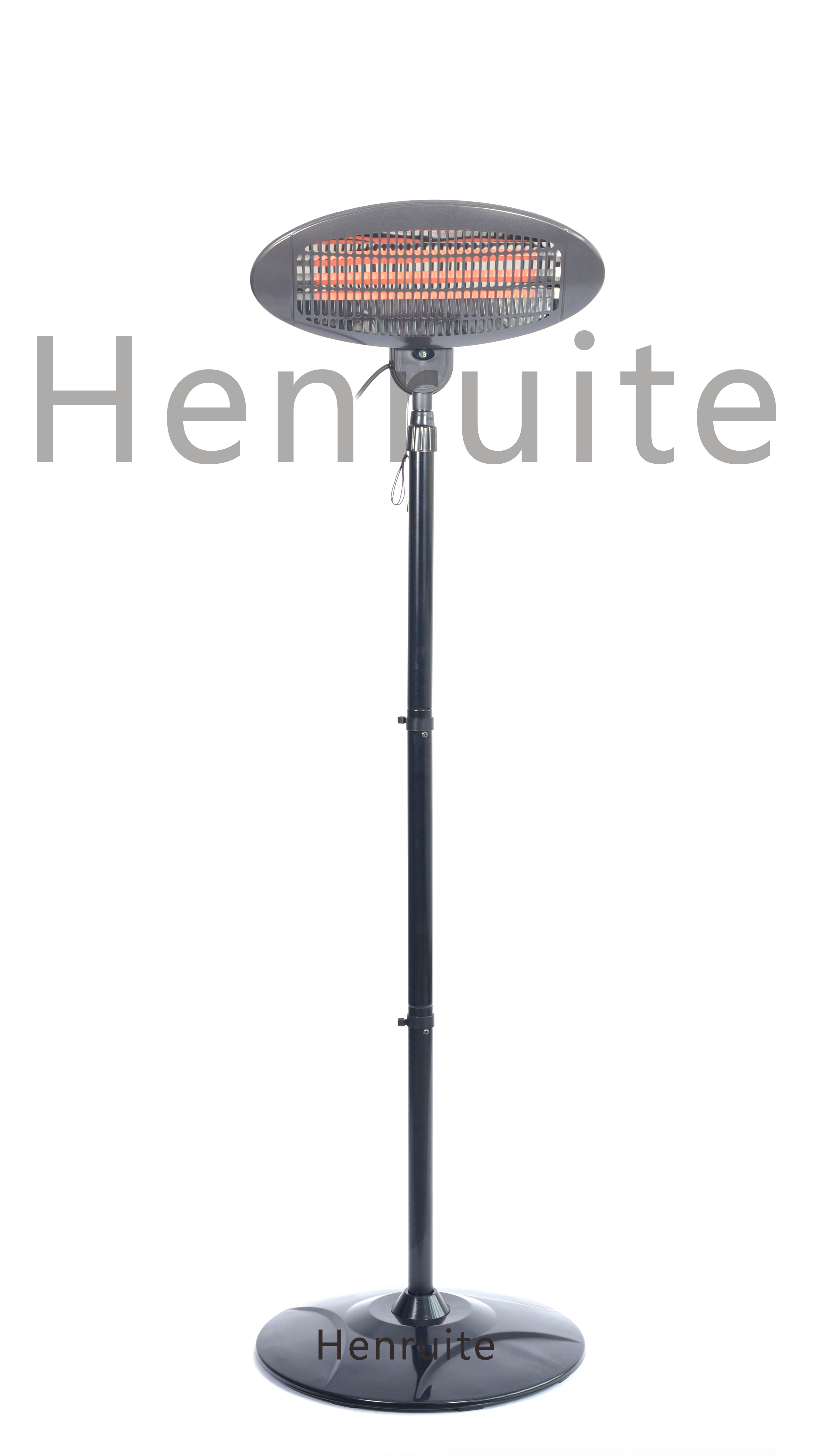
In art galleries and museums, the wrong kind of heat can do real damage, quietly. Convection systems kick up dust and drive humidity swings—exactly the conditions that crack paint and warp wood. What curators need is warmth that reaches people, not the collection. That’s where infrared space heaters come in, delivering direct, object-free radiant heat. What matters technically Infrared warmth comes from electric elements that glow and emit radiant energy—think sun-like, but without the UV. In large rooms, short-wave quartz tubes and medium-wave carbon fiber elements are the usual choices. Quartz tubes come up to output fast, hitting target within seconds. Carbon fiber elements spread the heat across a longer length, giving you a broader, gentler pattern. Both sit inside sealed quartz envelopes, so there’s no open flame, no combustion byproducts, and minimal air movement. Output is measured in kilowatts, matched to room volume and ceiling height. A 1.5–3.0 kW unit typically covers 150–400 square feet under standard ceilings, and many models run on standard 120V or 240V circuits. Controls are straightforward: an adjustable thermostat, timed operation, and tip-over protection for safety. Why this works here Radiant heat warms people and surfaces directly, leaving the air alone. That means more stable relative humidity and fewer airborne particles—both big wins when you’re preserving paper, canvas, and varnished wood. Because the heat is directional, you can aim it at visitor pathways and seating, not at the walls where the art hangs. You get precise spot warming without temperature swings across the gallery. Staff notice the conditions stay steadier, and guests feel comfort without drafts. Energy use stays focused, too—the heater runs when the space is occupied, and there’s no duct loss to worry about. Things to know Infrared heaters are simple to install, but placement is where you earn your keep. Keep proper clearance from curtains, display cases, and any combustible materials. In galleries, aim fixtures at lower levels and avoid direct line-of-sight to sensitive surfaces. Some finishes can reflect infrared and create uneven warmth, so run a small pilot test first. Radiant heat warms what it touches, so choose a model with a protective outer guard and a thermostat you can trust to prevent overshoot. Plan it with care, and infrared heating delivers comfort with the quiet discipline conservation demands.