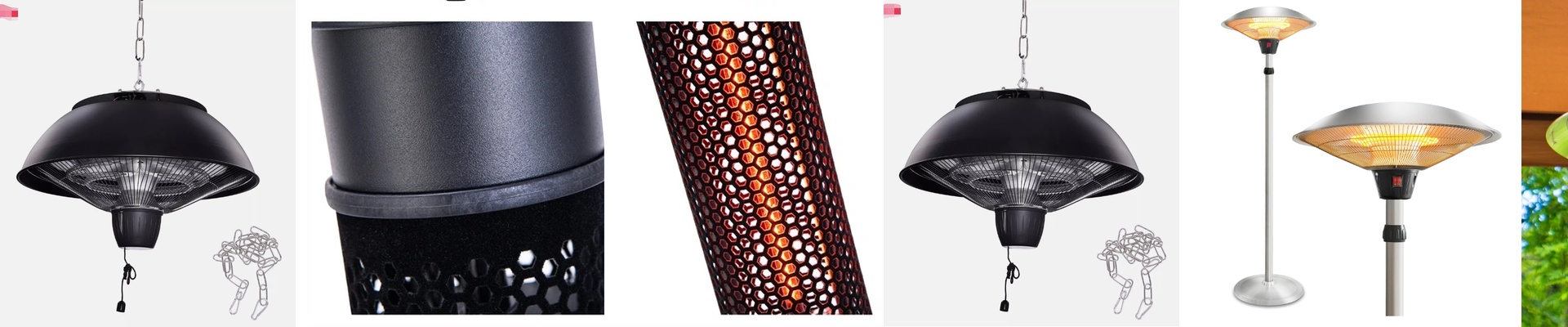
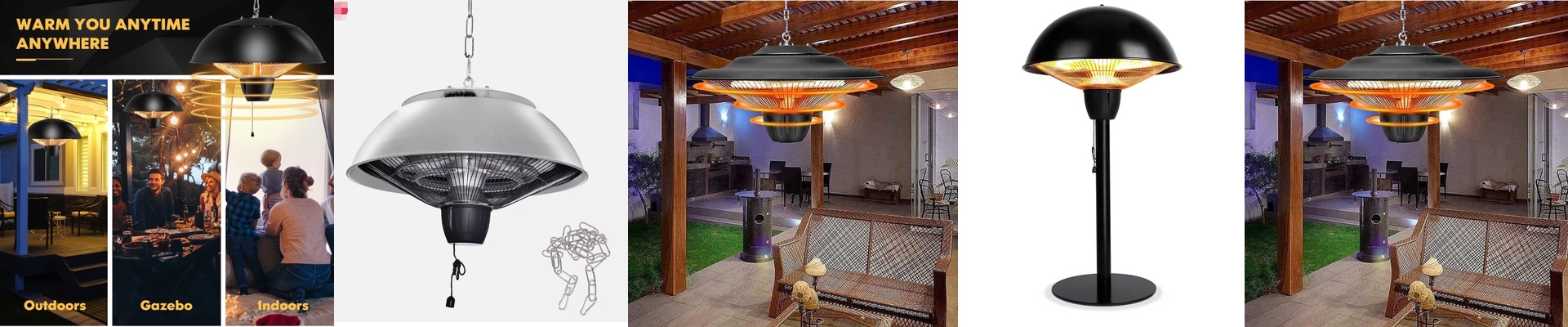
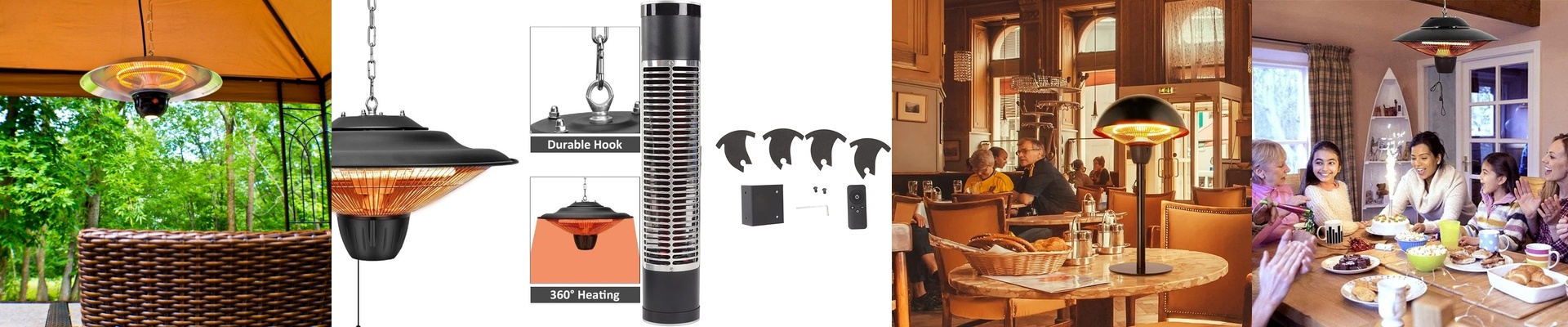
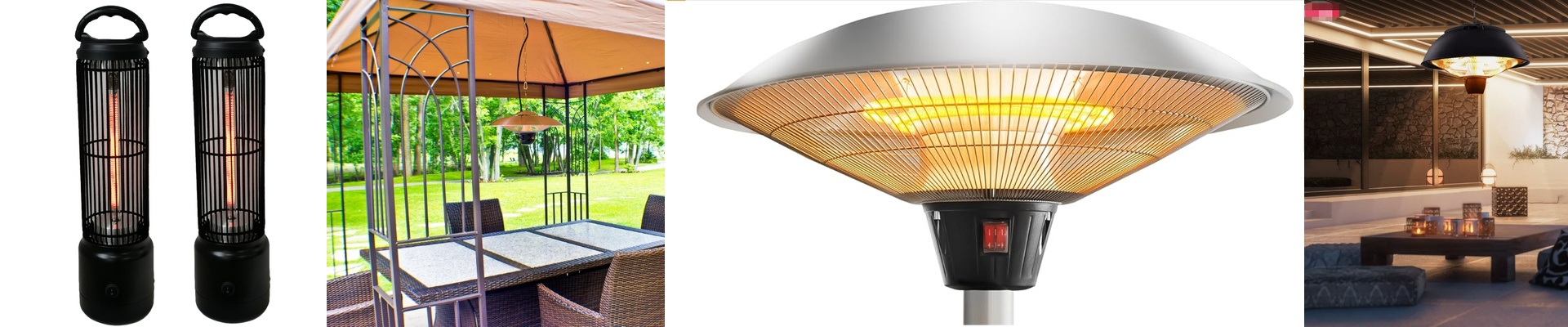
Out on the line, a few seconds of lag in the bending oven throw the whole tempering run off. Coatings cure patchy. Lamination presses sit and wait on temperature. That downtime bleeds throughput and shows up as rejects. We built the R7s infrared bulb to keep your glass equipment moving the way it should—predictable heat, repeatable, without the guesswork. What you get under the hood The R7s runs a quartz envelope with short-wave infrared emitters, so it responds fast and holds tight control. Ratings are 300–500 W, with 115 V or 230 V options, and it comes in standard R7s lengths that drop straight into existing fixtures. Peak emission lines up with how glass and functional coatings absorb, so the energy goes into the work, not into heating the air. That means a quick ramp, low thermal inertia, and output that tracks setpoints without chasing. Why it fits the work we do In tempering, that fast response shortens the heating window and helps keep temperature uniform across the sheet—fewer hot/cold spots, less thermal stress, and better optical quality. In lamination, consistent infrared preheat before the press gives you a cleaner bond line and cuts down on voids. On insulating glass lines, it dries the edge seal fast without overheating adjacent parts, so the pace stays steady. Energy use drops because it heats on demand and idles clean, cutting standby loss. The details that keep it honest Mounting and alignment matter. The R7s needs proper clearance to the glass path to avoid hot spots, and to keep the quartz from getting nicked or contaminated. Check the socket and wiring—if the base runs hot, you’re asking for trouble. In humid plants, protect the lamp end from condensation. And keep reflectors clean and aligned; when they’re off, output and uniformity fall off fast. Schedule replacements into your PM window so uptime doesn’t get held hostage.