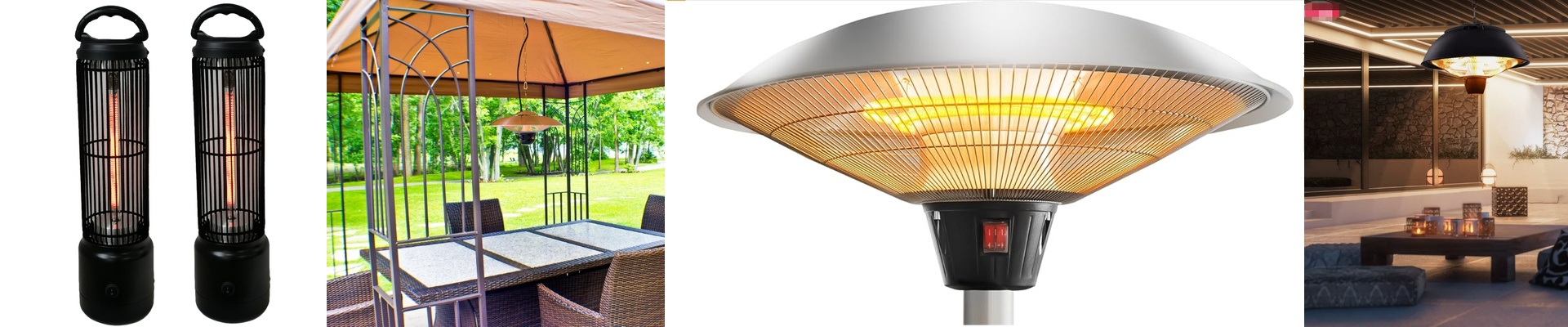
When winter settles in, you feel it first in your hands and feet. Indoors, surfaces turn cool, and your body tightens up as it fights to hold onto heat. Traditional space heaters move air around, but that can feel drafty and uneven. Infrared warmth is different—it warms you directly, the way the sun warms your skin on a chilly afternoon.
What matters, technically
A halogen heater bulb puts out short-wave infrared radiation, so you get instant radiant heat with almost no warm-up. Inside a sealed quartz tube, a halogen gas cycle keeps the filament stable at high temperature. That lets the bulb run hot and bright while holding consistent output over time. Typical halogen infrared bulbs come in common voltages—120V or 230V—and power levels matched to room and patio heaters, so the heat output is predictable and easy to control. The beam is focused, so the warmth lands where you aim it—on a chair, a table, or your feet.
Why this approach works where it does
Cold extremities often come down to reduced blood flow at the skin and smaller vessels that react quickly to temperature changes. Radiant heat from a halogen bulb warms the body surface first, which can help relax muscles and encourage better microcirculation. You feel it as a gentle, penetrating warmth that doesn’t need to heat the whole room to make a real difference. In living rooms, sunrooms, and covered outdoor areas, that means you can sit comfortably without cranking the thermostat—and without the forced-air blast that dries skin and stirs up dust.
The things you need to know
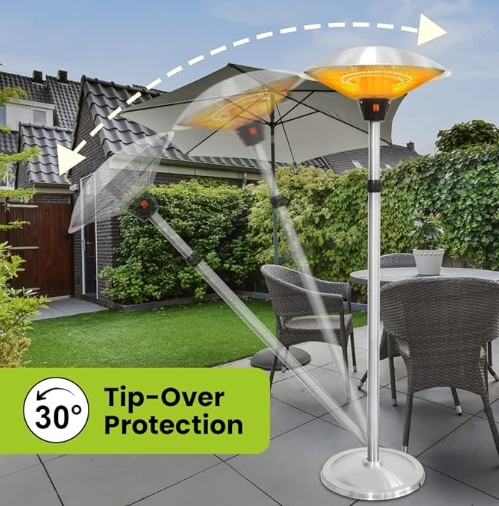
Halogen bulbs perform best when they’re properly matched to the fixture—check wattage, voltage, base type, and whether the heater includes a protective grill and tip-over protection. Because the bulb runs hot, it should only be used in enclosed or approved fixtures designed for it, and it must stay clear of fabrics and combustible materials. For steady comfort, pair the bulb with a heater that has a thermostat or adjustable setting, and keep the unit dry if it’s used outdoors. Replace the bulb when output fades; a dimming bulb won’t deliver the same warmth.