


On a cold morning, a warehouse floor feels like a walk-in fridge. Forced-air heaters push warmth straight up, and people on the floor are still shivering. The heat that should protect comfort and productivity? It just vanishes into the rafters.
What matters, technically
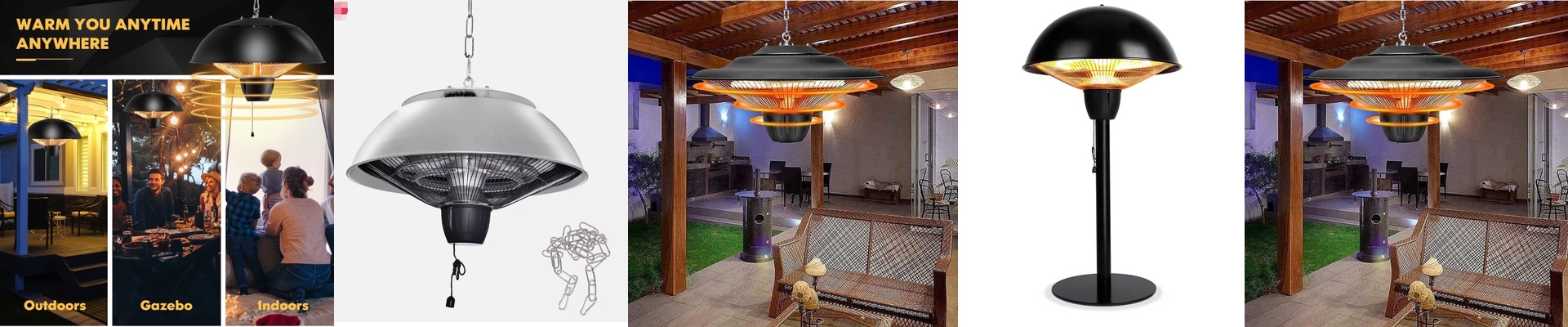
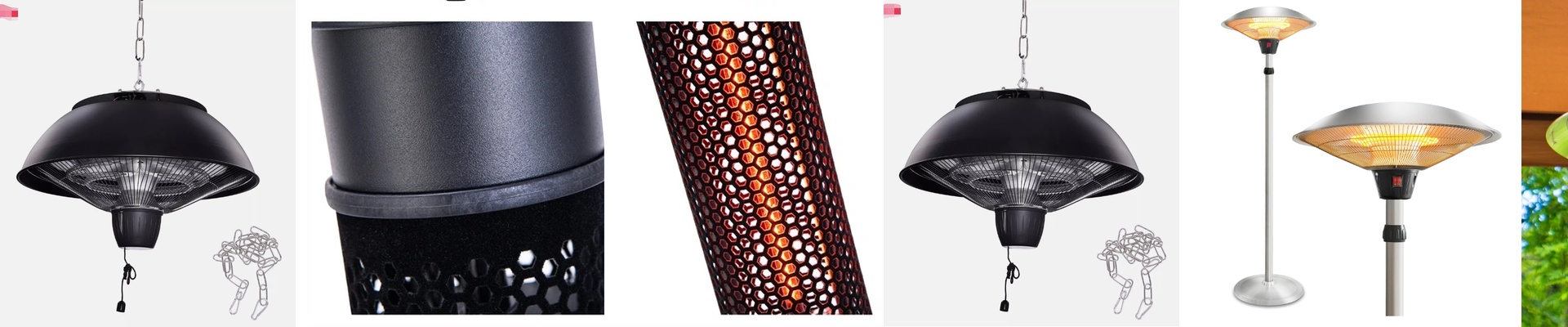
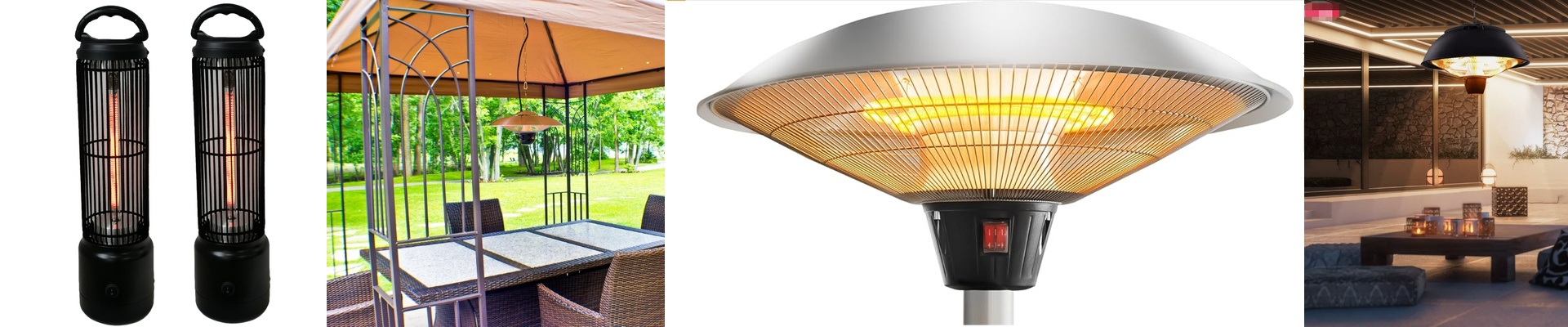
We built this CE certified electric heater around infrared radiant warmth. It travels in a straight line and warms people and surfaces directly, not the empty air. The heating element comes on fast, and the reflector focuses the output into a defined zone. The payoff is directional control—heat lands where you need it, when you need it. It runs on a standard electric supply, draws power matched to the space, and is engineered for steady cycling with a thermostat that holds the area at the set temperature. For safety, there’s overheat protection and a stable, tip-resistant housing.
Why this works in a warehouse
In a large warehouse, the goal is “person-warm” on demand, not trying to heat the whole volume. Infrared warmth targets workstations, dock doors, and aisles—where people actually stand. Because it heats by line-of-sight, you’re not wasting energy on the ceiling, so you’re not paying to heat what no one touches. You get faster comfort, fewer drafts, and steadier working conditions. That can translate to fewer slowdowns, better focus, and lower energy use compared with systems that try to warm the entire air volume.
The details that make the difference
Infrared heating is most effective when the heater has a clear view of the people or objects you want to warm. Obstructions and high ceilings can reduce the feeling of warmth, so placement matters. Plan for unobstructed coverage, and make sure the unit’s coverage angle fits the layout. Also, radiant heat warms surfaces, which can feel different than forced-air. In very cold conditions, pair the heater with targeted supplemental measures when the weather turns extreme.