

Stop Gambling With Your Glass: Why a New Lamp Isn’t Always the Answer
If you’re buying a replacement infrared lamp just by searching for a part number, you’re basically rolling the dice. In the world of glass annealing, “heat” isn’t the goal. The real goal is controlling how that glass cools down so it doesn’t have any hidden internal stress. Get that temperature profile off by just a few degrees?**Crack.**There goes your product.
The tricky part about IR heat
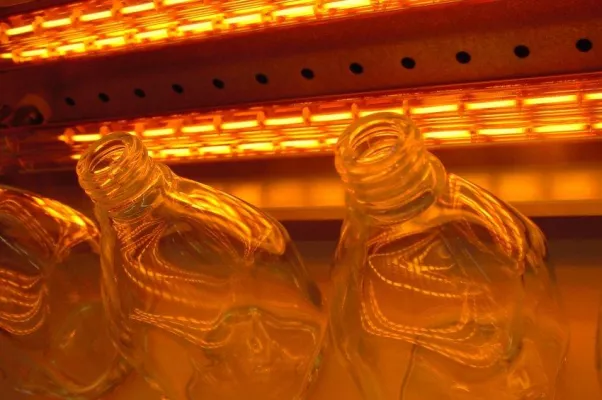
We use short-wave infrared lamps because they punch through glass way faster than just blowing hot air around. But here’s the thing: heat density changes based on your wattage and voltage. A high-wattage tube puts out a massive amount of heat. If your conveyor belt isn’t moving at the exact right speed to match that output, you’ll end up with hot spots. You can’t just swap a bulb and expect a systemic thermal mess to magically fix itself.
The hardware headache
Most of these systems use quartz envelopes to handle the heat. Whether you’re dealing with R7s or SK15 connectors, getting the lamp to physically fit into the slot is the easy part. The real headache is the electrical load. Sure, high-voltage lamps give you more heat density, but they also beat up your power supplies and wiring. If your cables are too thin, you’ll get voltage drops. That means some parts of your tunnel are heating up while others are lagging behind.
Why we actually come to your shop
A datasheet can’t tell us how your specific glass thickness reacts to an IR wavelength. That’s why we prefer to get on your floor and actually map the thermal gradient. We’re looking for those “cold zones” where the glass never quite hits the annealing point. We aren’t just here to sell you a piece of hardware. We’ll check your reflectors, tweak your PID controller settings, and make sure your cooling fans aren’t accidentally fighting your heaters. It keeps your lamps from burning out too early. More importantly, it means your glass comes out the other end stress-free.