Making Your Workshop Heat Actually Work for You
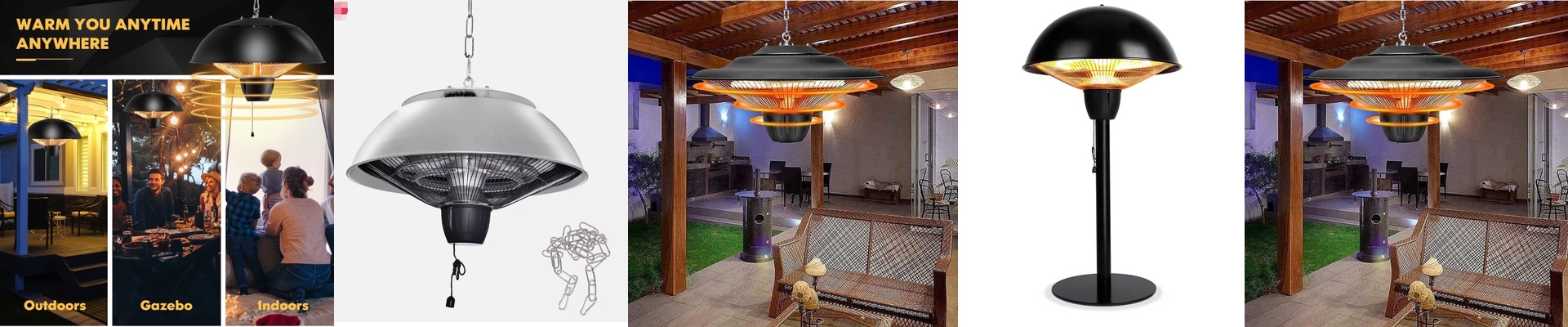
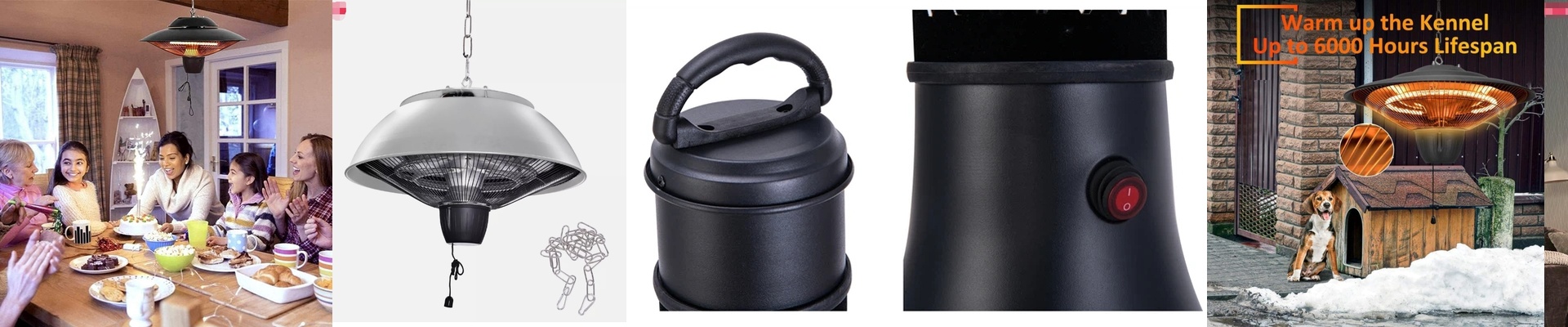
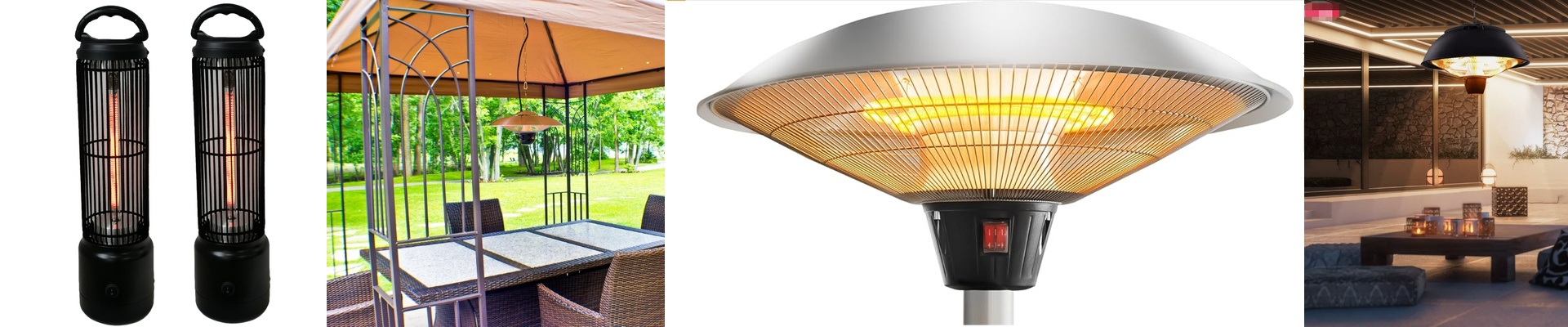
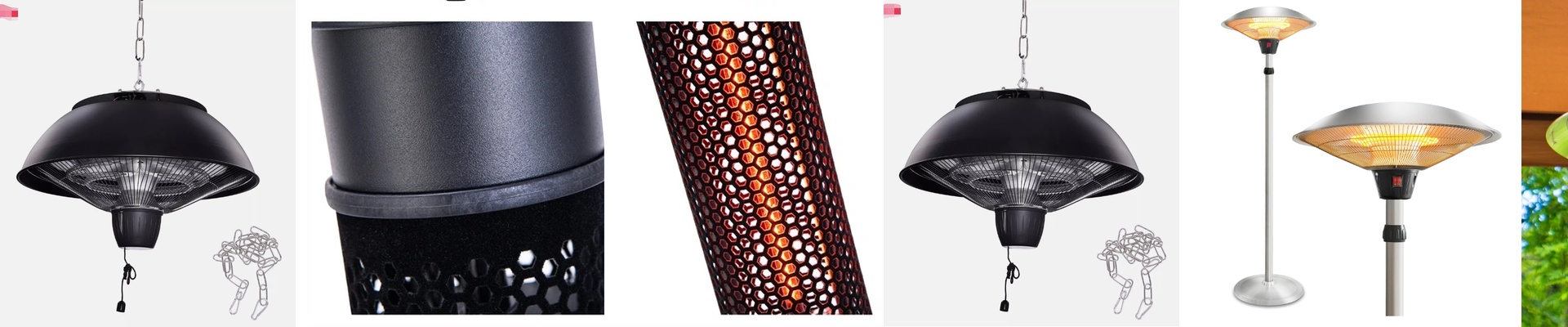
Most people think of heating as warming up the air in a room. But ceiling infrared heaters are different. They ignore the air and go straight for the people and tools. It’s like stepping into a patch of sunlight on a cold day. When you hook these up to a smart system or a building manager, you stop messing with clunky manual switches and start working with automated zones.
Getting the Gear to Talk
If you want that “one-click” experience, you have to connect the heater’s power to a smart relay or a PLC. We usually use Modbus or Zigbee to get the app on your phone to actually talk to the heavy-duty wiring in the ceiling. The best part? It’s fast. Really fast. You don’t have to show up two hours early to “pre-heat” a freezing warehouse. You just hit a button, the heat hits the floor, and you feel it immediately. No waiting around shivering.
Keeping Things Under Control
It’s not just about turning things on and off. If you’ve got a row of 2kW lamps all kicking in at once, you might just blow a breaker. Nobody wants that. To fix this, we use temperature sensors and a bit of smart sequencing. Instead of everything slamming on at once, the heaters stagger their start-up. It keeps the power steady and stops the room from turning into a sauna.
The Messy Parts (And How to Fix Them)
Adding automation does make the wiring a bit more crowded. You’ve got low-voltage signal wires running right next to high-voltage power lines. Here’s the catch: if you use cheap cables, you’ll get electrical noise. Your smart hub might crash, or your heaters might start flickering like a horror movie. Using shielded cables is the only way to keep the signal clean. Once it’s dialed in, you can basically forget about it. The sensors keep an eye on the floor temp, the system adjusts itself, and you just get to work in a space that’s actually comfortable.