
Why Your Bathroom Needs More Than Just a Basic Heater
Most people think of those bathroom heat lamps as a luxury—something to keep you from shivering when you step out of the shower. But if you look under the hood, there’s something much cooler happening. We aren’t just warming up the air; we’re actually fighting a war against dampness and mold.
How it actually works
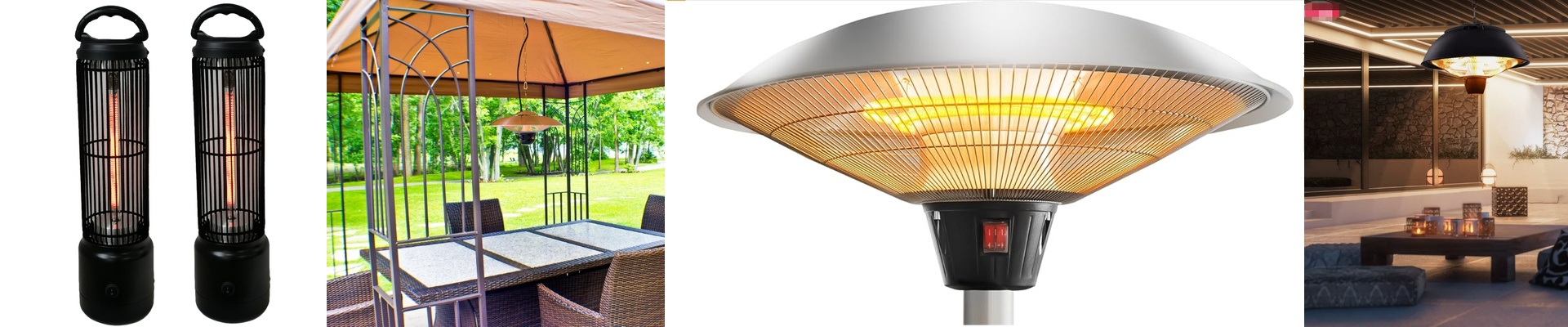
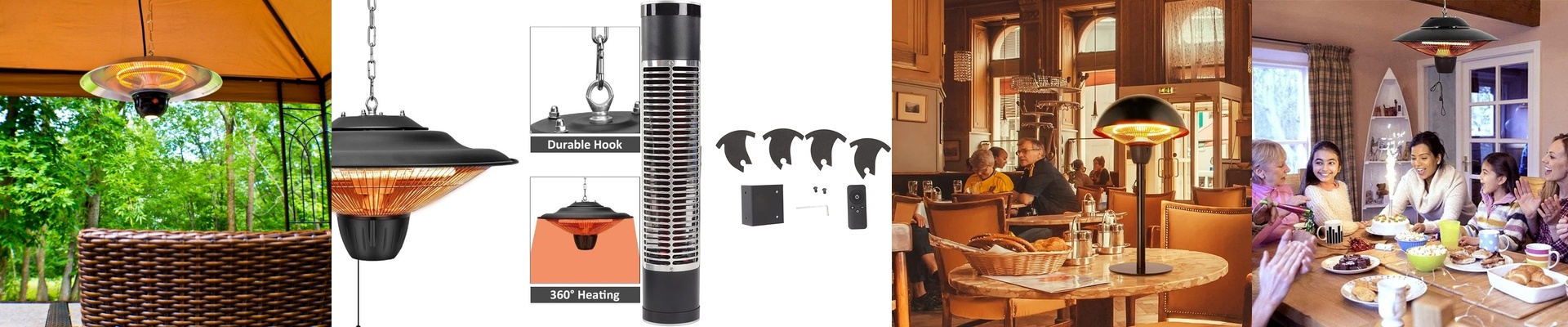
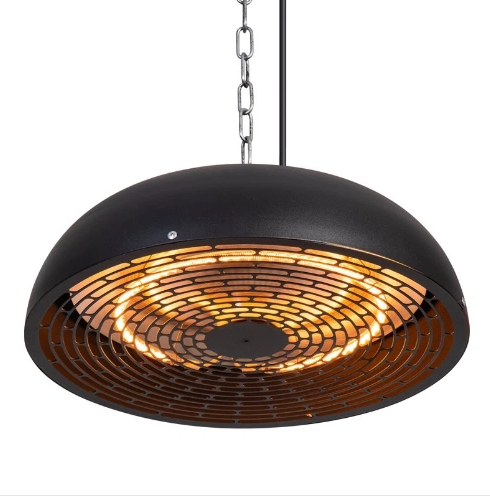
Here is the thing: most heaters just blow hot air around. But we use short-wave infrared. Instead of trying to warm up the entire room’s atmosphere, these lamps shoot heat directly at the surfaces. Think of it like the sun hitting your skin on a cold day. You feel the warmth instantly, even if the air is freezing. In a bathroom, we use this to keep your walls and ceilings warm. Why? Because when steam hits a cold wall, it turns back into water. That’s where the dripping starts. By keeping the surfaces warm, the water never gets a chance to settle. No standing water. No damp spots. No mold.
Dealing with the “Gunk”
Mold loves two things: stagnant air and moisture. It’s a nightmare to scrub out of grout. Our infrared setup does something a regular fan can’t. The energy actually sinks into the porous parts of your tiles and grout, pushing the moisture out from the inside. It’s a clever way to keep things dry without having to rip out your walls to install a massive, noisy ventilation system. You just get a crisp, dry room.
The tricky part
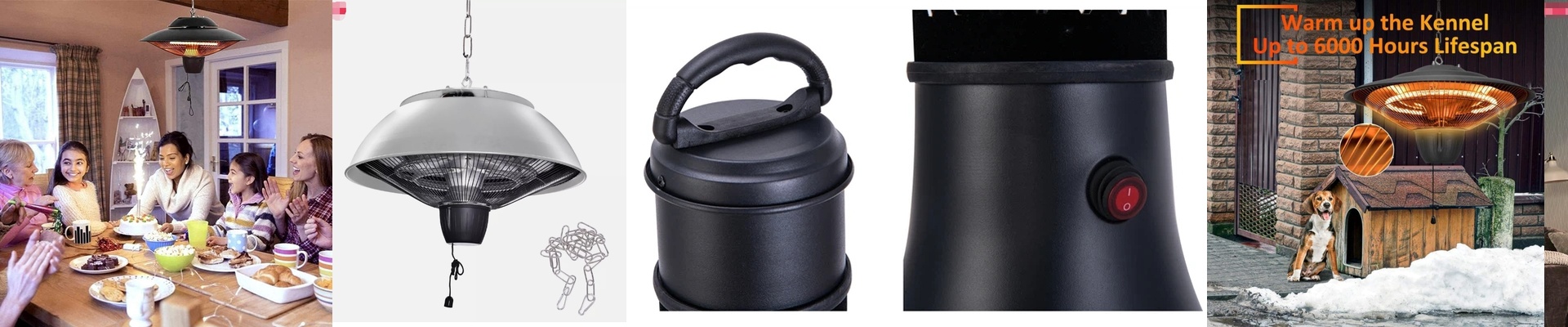
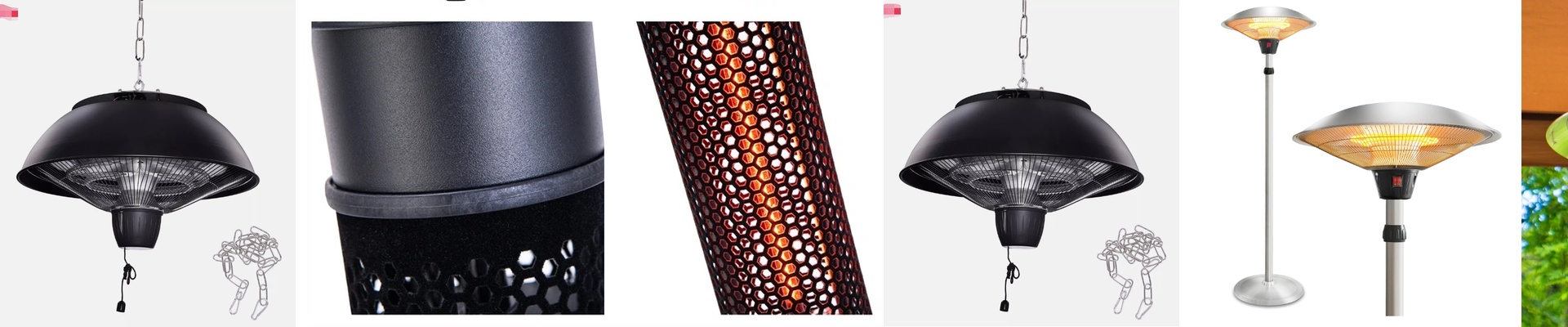
You can’t just slap a powerful heat lamp into a cheap plastic box. It would melt. These emitters get incredibly hot in one concentrated spot. That’s why we use high-temp ceramics and heavy-duty alloys for the housing. If you skimp on the materials, the whole thing just warps. We also have to be careful with the power. If we go too high, the light becomes blinding or feels like it’s scorching your skin. We’ve spent a lot of time dialing in the wattage so it feels comfortable, not oppressive. Just make sure you’re using a moisture-resistant circuit and the right IP rating for the zone. Keep the surfaces dry, and you can pretty much forget that mold ever existed.