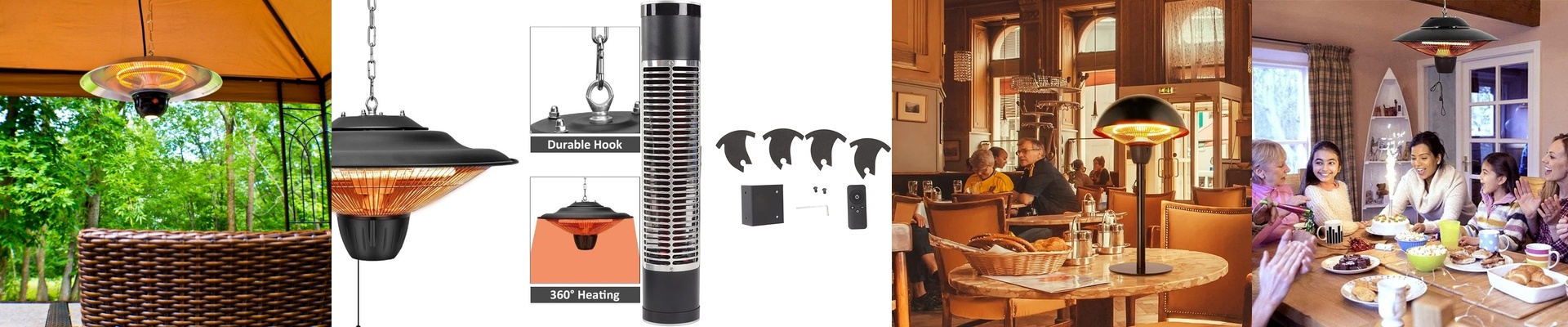
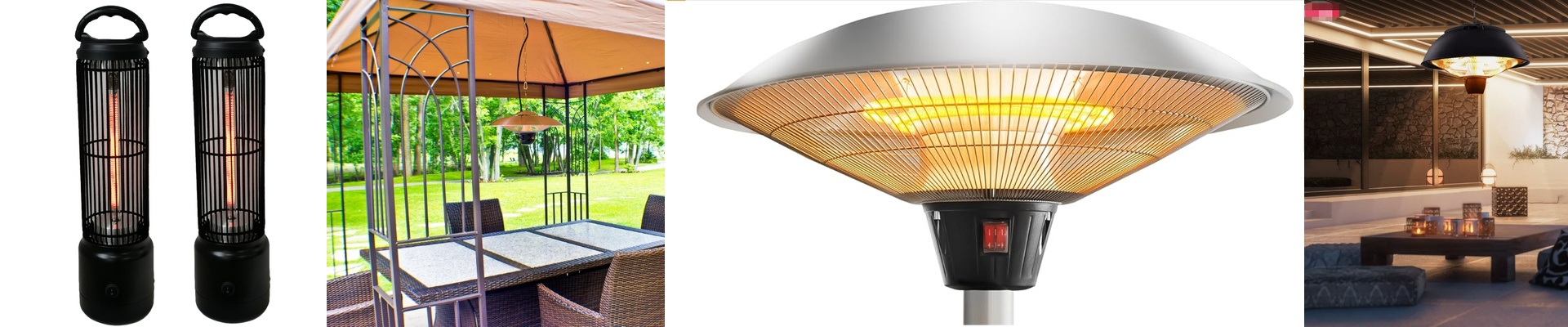
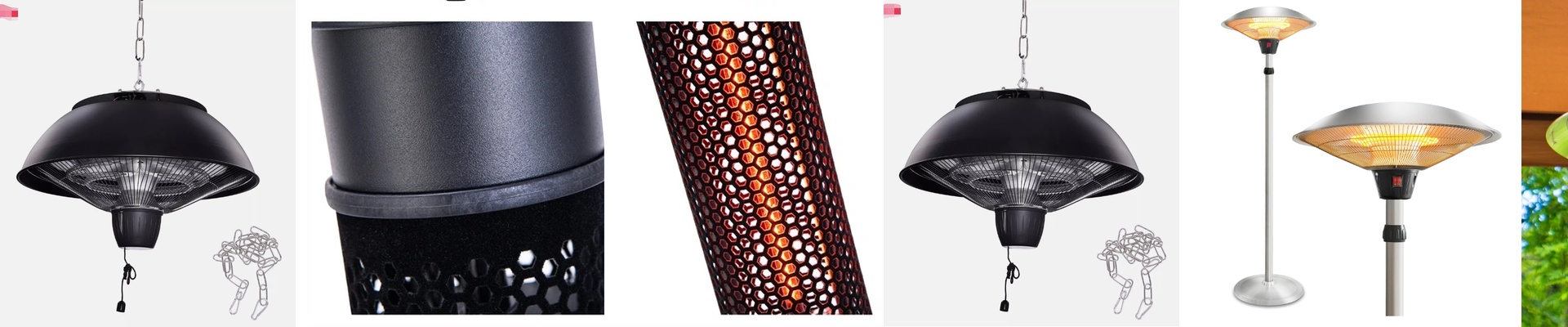
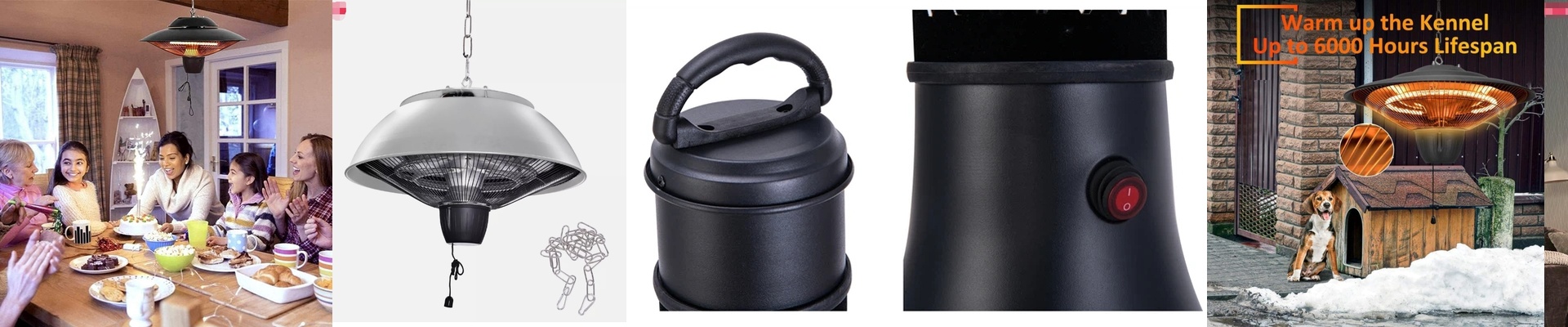
Picking the Right Wattage for Your Bathroom Heater (Without Wasting Money)
When you’re picking out infrared heaters for a bathroom, it’s easy to just grab the most powerful one on the shelf and call it a day. But that’s usually a mistake. You aren’t just buying a lightbulb; you’re trying to balance how much heat you actually need against the size of the room. First things first: make sure it’sIP65 rated. That’s just a fancy way of saying it’s sealed tight enough that steam and splashes won’t fry the electronics. That’s your baseline. Once you’ve got that, the real trick is getting the wattage right so you aren’t paying for electricity you don’t actually feel.
Finding the “Sweet Spot” for Power
Here is the thing about infrared: it doesn’t heat the air. It heats you. If you’re dealing with a tiny powder room—something under 4m²—a 250W to 400W lamp is plenty. If you go bigger than that in a small space, you’ll end up with a “hotspot.” You know the feeling—where your shoulders are baking but your toes are still freezing. It’s uncomfortable. For those big master baths (8m² and up), you’ve got options. You can go with a beefier 600W or 800W unit. Or, my personal favorite: install a few lower-wattage lamps. It spreads the warmth around the room much better.
A Note on the Seal and the Ceiling
Since these units are IP65 sealed to keep the moisture out, they can’t “breathe” as well as a standard heater. This means the internal parts can get pretty toastie. Don’t just shove a high-wattage lamp into a cramped, airtight ceiling void. Give it some room to breathe. If you cram it in there with no airflow, you’re basically asking the wiring to burn out early.Give it some space.
Getting More Bang for Your Buck
To actually save money on your power bill, look at the emission angle. A narrow beam is like a spotlight—all the heat hits the floor. A wide-angle reflector is what you want; it wraps the heat around you. And please, for the love of everything, don’t just use a manual on/off switch. We’ve all left the heater on by accident. Pair your lamp with a timer or a motion sensor. That way, the heater only kicks in when you’re actually in the room, and it shuts off the second you leave. Simple.