Stop Throwing Away Your Bathroom Heaters
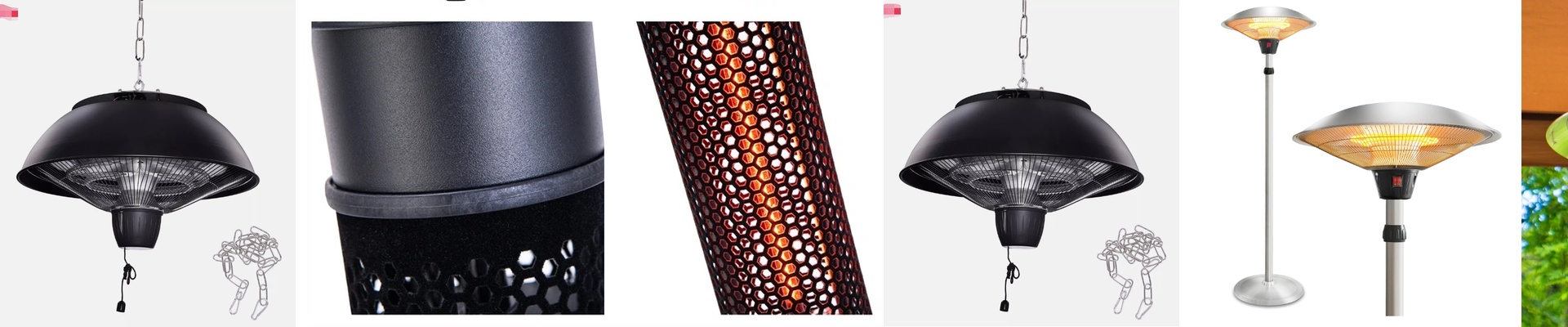
Let’s be honest: bathrooms are a nightmare for electronics. You’ve got steam everywhere, constant temperature swings, and enough humidity to make any heating element sweat. Eventually, things wear out. It just happens. Usually, when a heating tube burns out in a standard wall heater, you’re stuck. Most of these things are built like sealed bricks. One part dies, and suddenly you’re ripping the whole chassis off the wall and tossing it in the trash. It’s a waste of money and a total pain in the neck. We decided to do things differently. The “Swap and Go” Method We built our heaters to be modular. Instead of a permanent, sealed box, we treated the heating element like a part you can actually reach. If a module goes out, you don’t have to tear apart the wall mount or mess around with the main electrical housing. You just pull the old one out and pop a new one in. It’s that simple. Now, there is a trade-off here. Using connectors instead of hard-wiring everything means there are more contact points. In a damp bathroom, that’s usually a recipe for rust or electrical arcs. To fix that, we used reinforced terminals. Sure, it makes the internals a bit bulkier, but it means you can swap a tube in about ten minutes. No soldering. No rewiring the main board. Just a quick switch. Playing the Long Game We expect these units to run strong for about five years. Around that mark, you’ll notice the quartz or halogen emitters aren’t glowing as bright or feeling as hot as they used to. In the old days, you’d pay a technician to spend two hours on-site uninstalling the whole system. Now? They just drop in a fresh module. It turns a “system failure” into a “quick part swap.” Your wiring stays put, your walls stay intact, and your bathroom gets that factory-level heat back instantly. One quick tip for the maintenance crew: when you’re swapping the module, give those terminals a good tighten. Over five years, things can vibrate loose. A loose connection creates resistance, and resistance creates heat where you don’t want it. Tighten it up, and you’re good to go.