
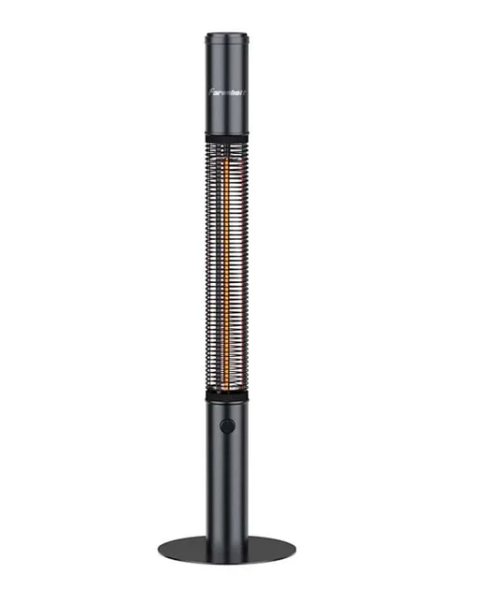
Keeping Your Bathroom Infrared Heaters Safe (and Dry)
Putting infrared lamps in a bathroom is basically like inviting a fight with steam and moisture. If you want to make sure your electrical insulation is bulletproof, you can’t just throw it in a standard housing and hope for the best. You need a setup that stops electricity from leaking the second water touches a high-voltage terminal. Dealing with the Damp Here’s the thing: in a steamy bathroom, water vapor basically acts like a bridge for electricity. To stop that, we lean on high-grade quartz glass and specific ceramic insulators at the ends of the lamps. These materials stay stubborn—they keep their resistance even when the air is thick with humidity. But the real secret? The seal. The spot where the lamp base meets the fixture has to be airtight. If steam sneaks into the socket, you’re looking at a short circuit or “tracking,” and nobody wants that. The Weak Spots The connection points are usually where things go wrong. To fix that, we use sealed connectors and heat-shrink tubing to keep the live wires far away from the chassis. And you’ve got to bond the fixture to a dedicated earth ground. It’s simple insurance. If a seal leaks or a part fails, the current hits the breaker immediately instead of turning the outer casing into a live wire. Heat, Cold, and the Middle Ground When these heaters kick on, they heat up fast. That sudden jump in temperature pulls moisture right toward the lamp. This creates “hot spots” on the quartz tube, which is a fast track to a burnt-out bulb. To avoid this, go with a housing that has a proper IP rating—usually IP44 or higher for bathrooms. It keeps the guts of the machine dry. But wait… there’s a catch. If you seal the box too tight, you trap the heat inside. It’s a balancing act. You want it waterproof, but you still need a bit of ventilation. If you build a completely airtight tomb without any way for the heat to escape, your wire insulation will just bake and degrade over time.