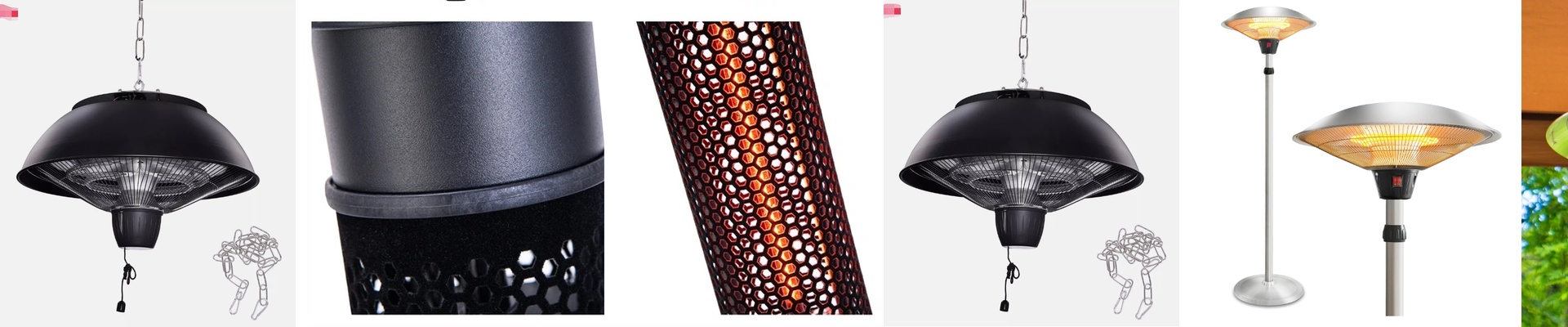
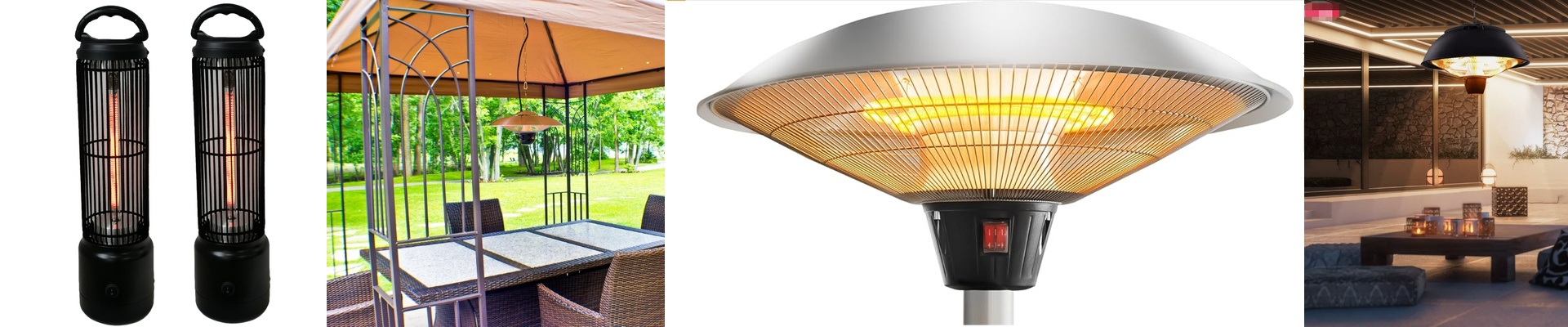
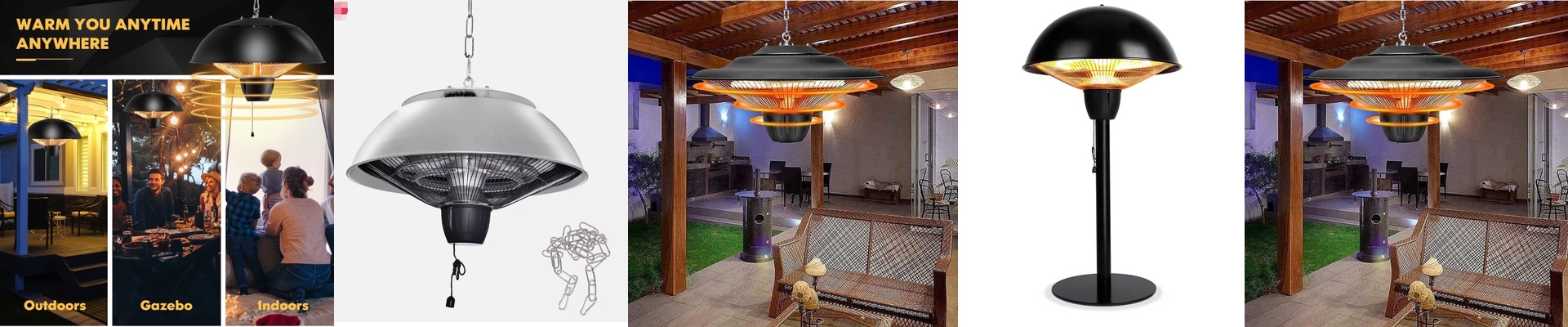
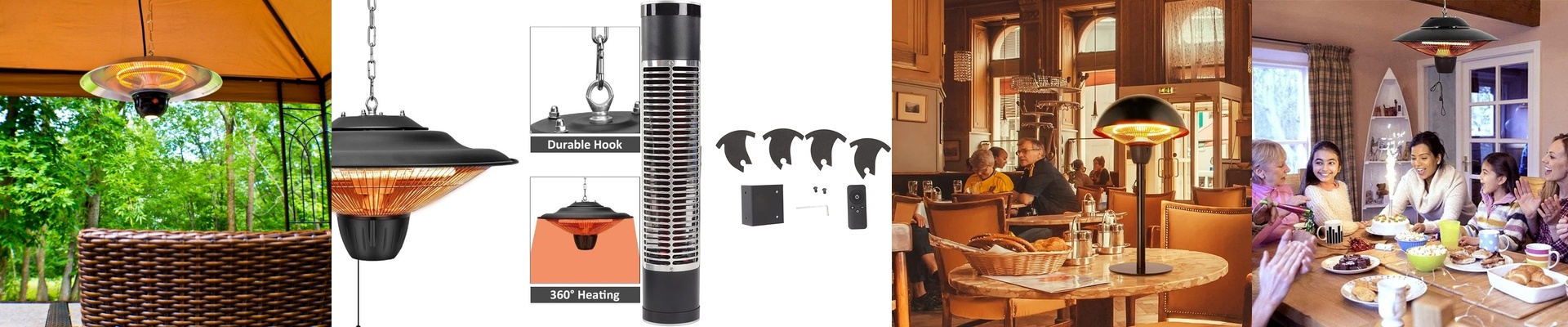
Making Outdoor Heaters That Actually Last
Let’s be honest: the outdoors is a nightmare for electronics. Between the humidity, the sudden rain showers, and the wild temperature swings, most outdoor heaters are basically ticking time bombs. They look great for one season, and then they just… stop. We wanted to build something that doesn’t do that. Here is how we actually make them survive.
The Problem with “Fog”
You know that mist that forms on a window when it’s cold outside? The same thing happens to the quartz tube inside a heater. When the unit cycles on and off in a damp environment, water droplets cling to the glass. Now, here is the real issue: when that tube hits high heat, those tiny drops create “hot spots.” It’s like putting an ice cube on a hot pan. Eventually, the glass cracks or the filament just gives up. To stop this, we use specific shapes and coatings that keep water from pooling. It keeps the heat steady and, more importantly, keeps the glass from shattering.
Keeping the Water Out
Water and electricity are a terrible mix. It’s the fastest way to fry a circuit board. We don’t just hope for the best; we use heavy-duty gaskets and sealed cable entries. The goal is to make sure a splash of rain never even sees the internal wiring. It stops the corrosion that usually eats these machines from the inside out. It means you can actually enjoy your patio without worrying that a light drizzle is going to trip your breaker and leave you in the dark.
The Balancing Act
Here is the tricky part: if you seal a heater perfectly, you basically build an oven for the electronics. They’ll overheat and melt. So, we have to find a middle ground. We use “baffled” vents—think of them like a maze. They let the hot air escape so the internals can breathe, but they block water droplets from sneaking in. It’s a delicate balance, but it’s the only way to make the electronics last. One quick tip if you’re installing these into a high-voltage setup: make sure your breakers can handle the initial surge. We’ve built these units to take a beating from the weather, but they still need clean power to do their job.