
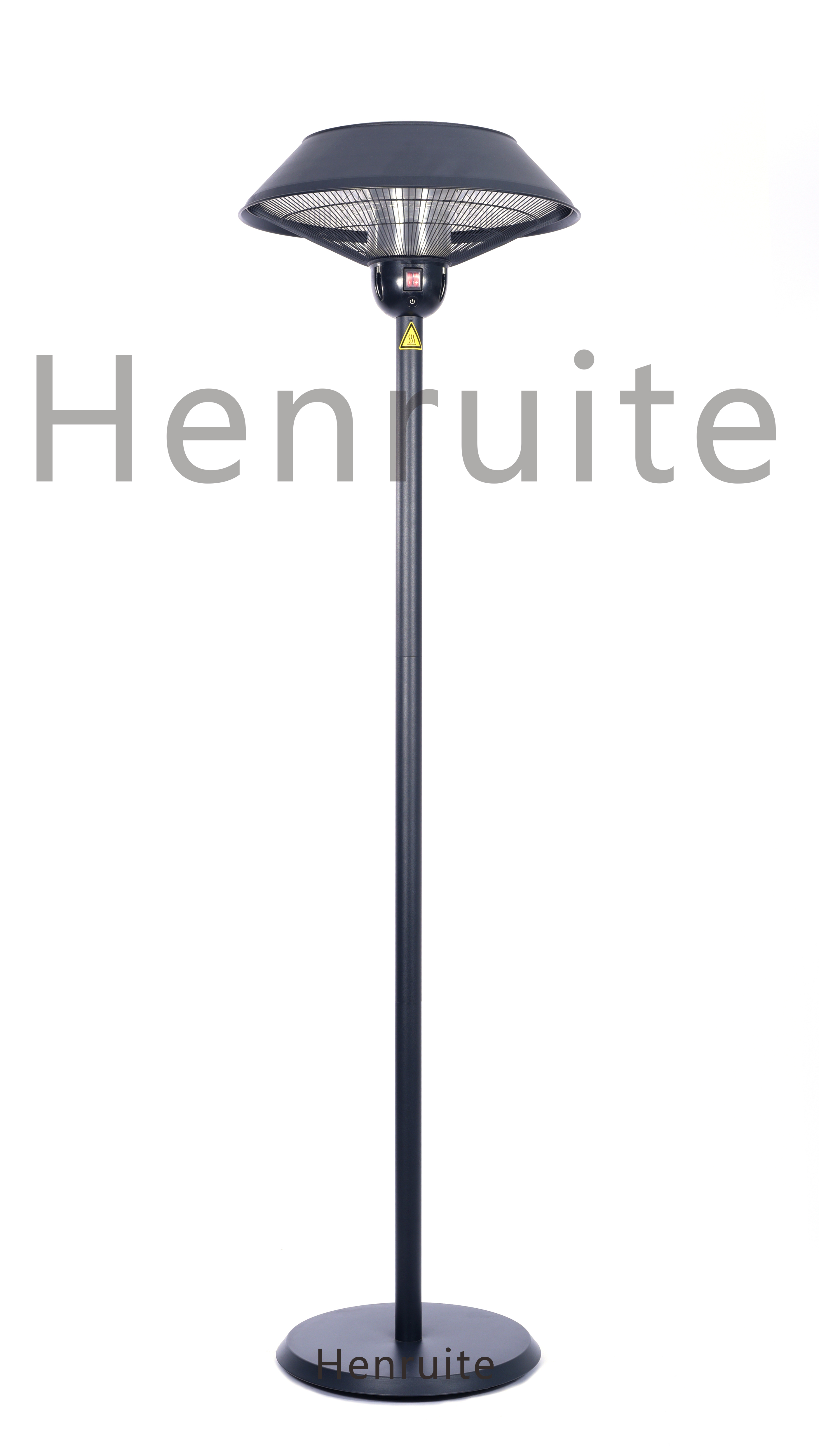
Introduction
We built this bathroom heater for the places that are always wet. Think constant steam, splashes, and that thick, humid air that just won’t quit. It’s more than just a heat source. It’s a targeted drying tool. We use spectrum control to fight back against mold on walls, ceilings, and fixtures. The goal is simple: keep surfaces dry, make the air feel manageable, and cut down on those maintenance calls.
How It Actually Works
Here’s the core of it: a shortwave infrared (IR) quartz lamp. The physics are pretty elegant. IR energy goes straight to the surfaces, not the air around them. So you’re heating the tile, the mirror, the wall itself. And when those surfaces warm up, the condensation just disappears. That IPX4 rating? It’s not for show. It means the lamp can handle splashes from any direction without losing its electrical integrity. No fuss, no drama.
Under the Hood
The lamp itself is a compact, high-intensity powerhouse. It packs a lot of heat into a small space, so you get fast warm-up and immediate surface drying. And the wiring is straightforward. The voltage and wattage are matched to standard industrial heating circuits, so you can plan the wiring, fusing, and controls just like you would for any other fixed heating load.
The Build
We chose a quartz envelope because it can handle rapid temperature swings and high heat without softening or breaking down. Inside, the filament and gas fill are tuned to deliver stable shortwave IR output. The outer surface is coated to manage how it emits heat and to resist the corrosion that moisture brings. The connector is R7s. It’s a practical, industrial choice. It carries the current, supports the lamp, and makes the install clean and repeatable. You wire it, seat it, and lock it. No fragile clips. No complicated terminations.
What It Does for You
In a bathroom, the real battle is against wet surfaces. Warm air alone often misses the mark because it doesn’t dry the walls fast enough. Our IR heater dries the exact surfaces that mold needs to thrive. The result is a direct reduction in the damp conditions that feed mildew. Now, there is a trade-off. A high-power IR lamp puts out serious heat in the immediate area. So you need to plan for proper mounting clearances and make sure the surrounding materials can handle the temperature. And you have to match the ventilation and controls to the room size, or you’ll just be moving moisture around instead of solving the problem. For engineers and facility teams, this is a drop-in upgrade: IPX4 protection, stable IR output, and an R7s connection that keeps installation simple on the shop floor.
The Secret: Spectrum and Mold Control
It all comes down to spectrum. Shortwave IR targets water film and speeds up evaporation on contact. When surfaces stay drier, mold spores can’t get a foothold. This isn’t a chemical process. It’s physics. We designed the unit to work alongside auxiliary dehumidification. The lamp reduces the wet load so the dehumidifier can actually keep up. Together, they keep relative humidity in check and stop the bathroom from turning into a mold incubator. If your spec calls for a bathroom heater that does more than just warm the air, this unit delivers real drying power, IPX4 splash tolerance, and a simple R7s install.
Installation Reality Check
High heat density means you have to plan for heat management. Mount it away from sensitive materials, confirm the room’s ventilation path, and match the control wiring to the lamp’s continuous rating. Get that right, and you’ve got a reliable, low-maintenance drying point that holds its own in high-humidity bathrooms.