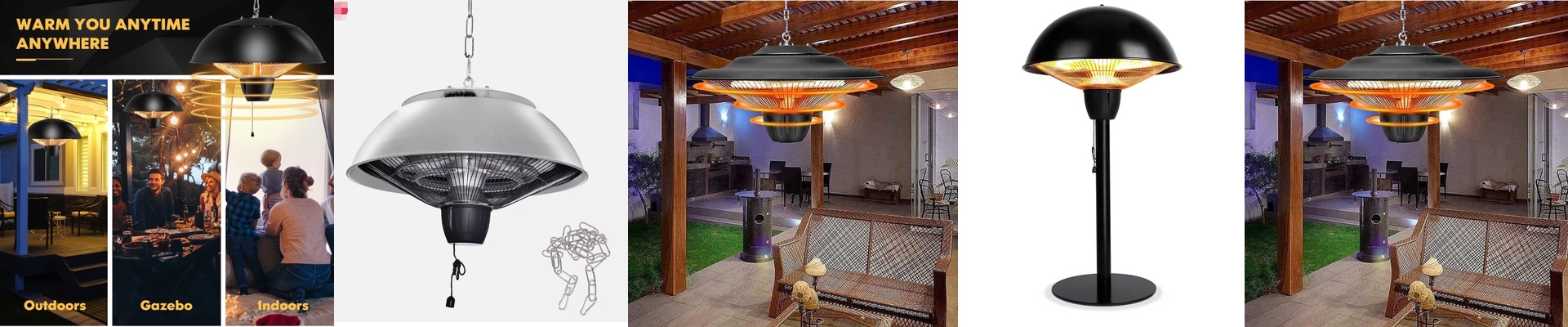

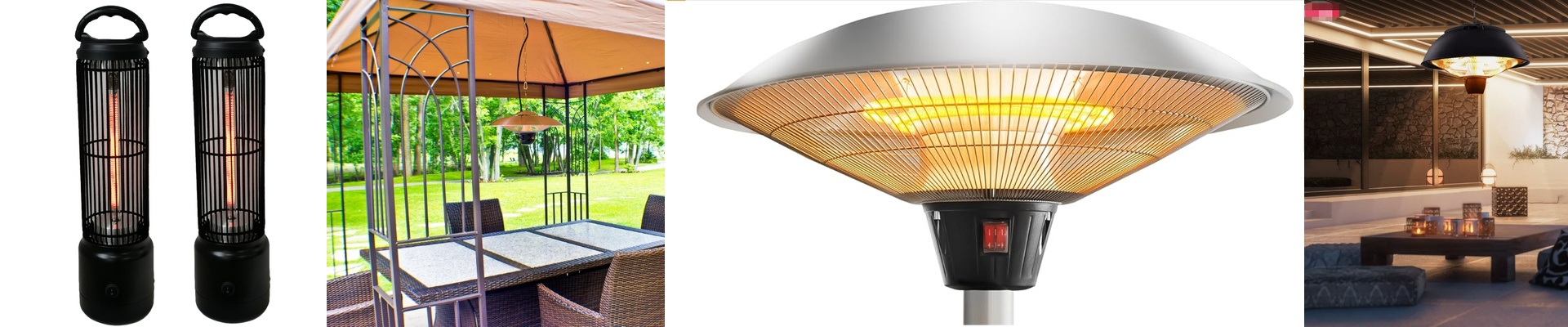



Winter in an office is a quiet, constant fight. Drafts slip under doors. The thermostat chases air temperature, not the warmth people actually feel. Productivity dips while everyone reaches for another layer. When the heat underperforms, you know it—stiff shoulders, jittery typing, and that steady trickle of seasonal sniffles. That’s why more workplaces are shifting to a different approach: focused infrared warmth from a WiFi electric heater. What’s actually happening, under the hood Infrared heaters radiate heat directly to people and surfaces, the same way the sun warms your skin on a cool day. Inside, a quality quartz element delivers immediate, directional heat—no need to warm the entire volume of air first. We pair that with a WiFi-enabled controller so you can schedule heat, tweak output from your phone, and keep comfort steady across the workday. The payoff: fast warm-up, quiet operation, and precise control—without the noise and air movement you get from forced-air units. Here’s why this works in an office setting. Comfort isn’t just a feeling; it affects focus and attendance. Infrared warmth helps ease cold-induced tension, supports better circulation, and relaxes muscles, so long stretches at the desk feel less draining. Because the heat targets people, you can run the unit efficiently—often with a lower overall energy draw than trying to overheat an entire floor. Fewer thermostat battles, fewer cold-weather aches, and a steadier workflow through the winter months. Now, the practical details. For best results, position the unit so the radiant field covers workstations—without shining directly in anyone’s eyes. These heaters are designed for indoor use and should sit on a stable surface. Ideally, hardwire it, or plug it into a dedicated circuit to avoid nuisance tripping. WiFi performance depends on your office network. Thick walls and dense router setups can affect responsiveness. If you need coverage beyond a single room, plan for multiple units instead of pushing one heater past its effective range.