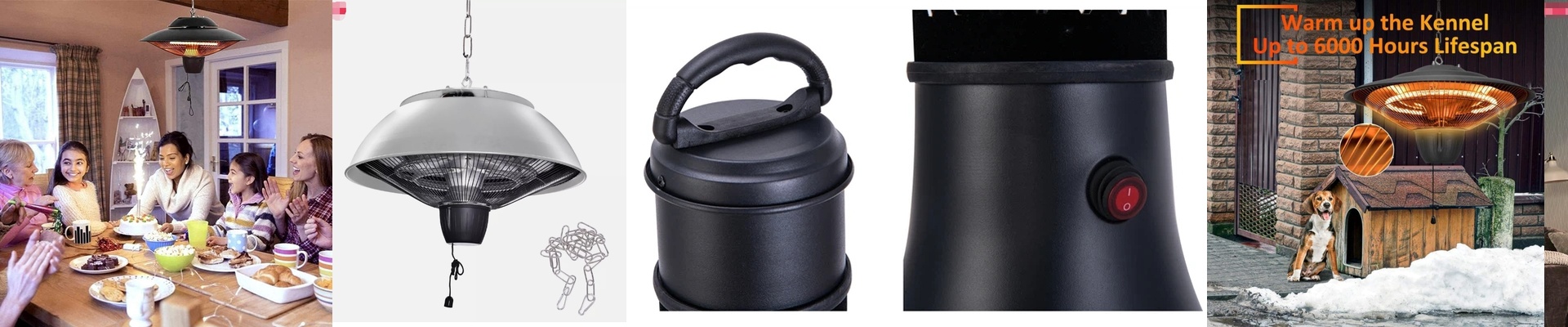
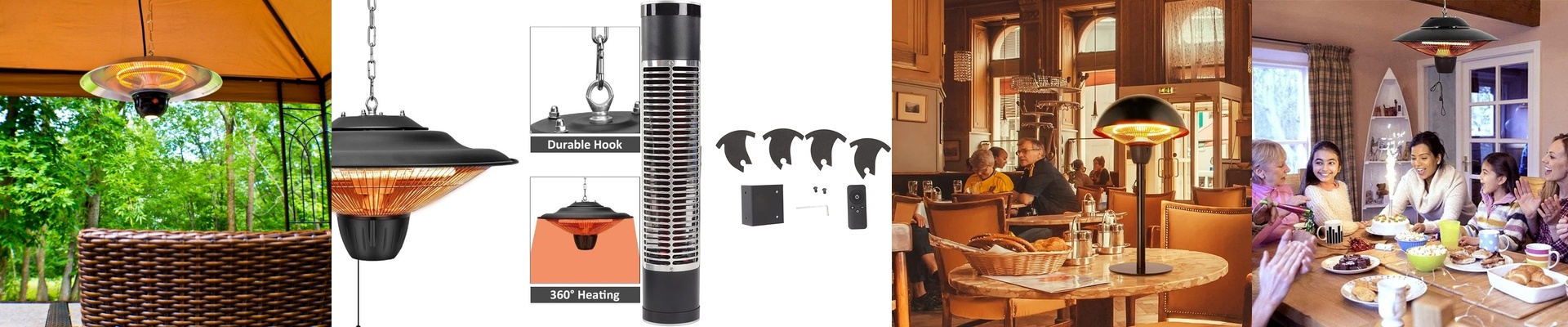
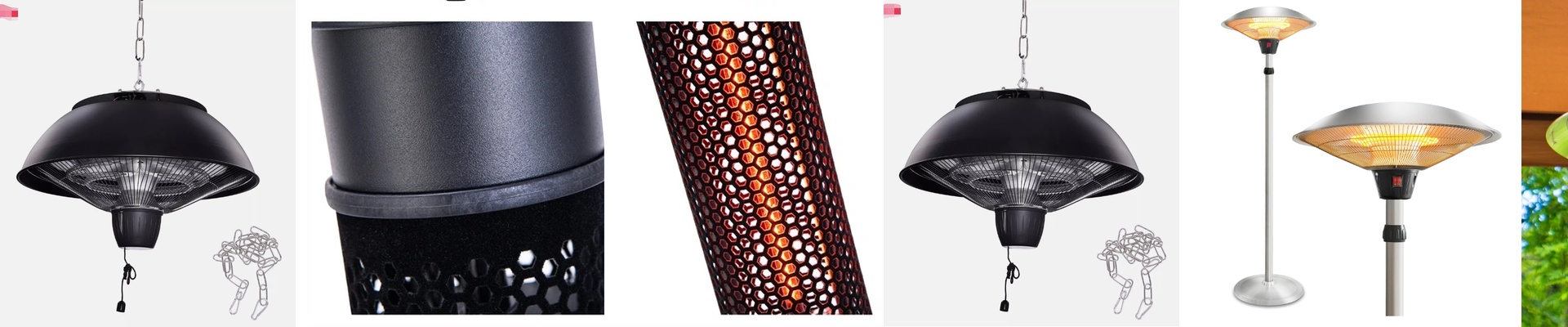
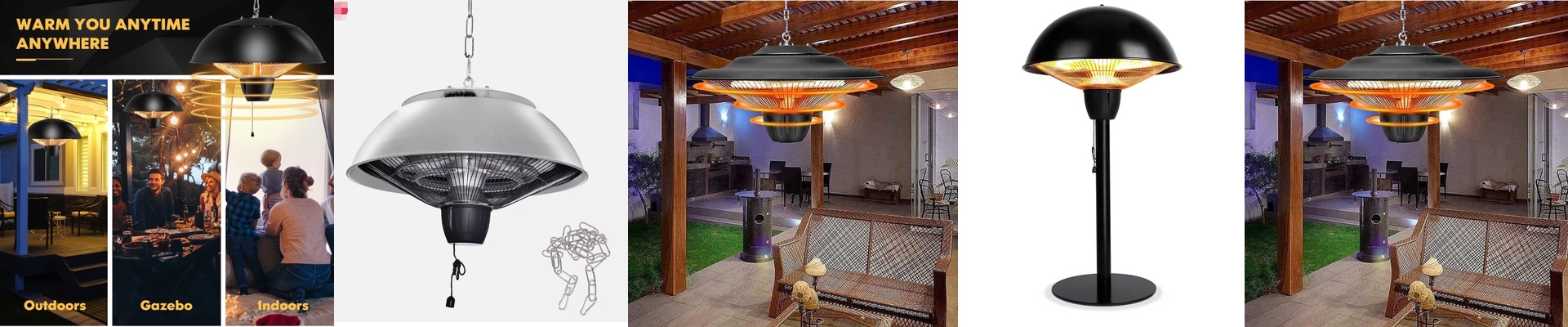
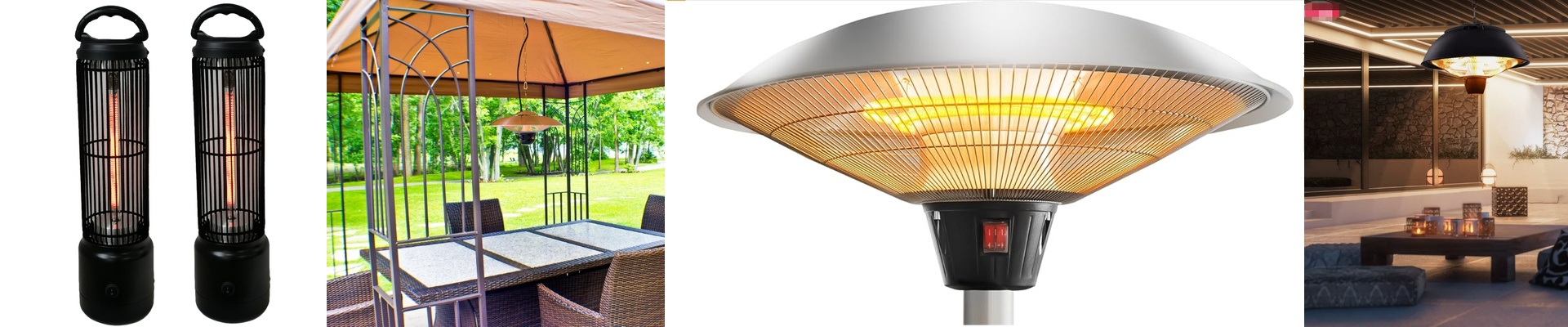
The first cold snap hits an open-air restaurant, and you watch your seating count drop before your eyes. Guests eye the empty tables, drift indoors, and your turn-over grinds to a crawl. Throwing blankets at the problem won’t cut it, and those air-blowing space heaters? They just move cold air around. What you need is radiant warmth that hits people where they sit. What matters under the hood This electric radiator heater runs on an infrared quartz tube element. It warms people and surfaces directly, not the air. In practice, that means you feel warmth in seconds, not minutes. The unit comes in outputs that make sense for commercial layouts, runs on standard voltage, and sits in a durable housing with a built-in thermostat for steady comfort. Safety is baked in with tip-over protection, and the design is rated for outdoor use with an IP rating that handles typical weather. Why this works on a patio Outdoor dining runs on comfort. With infrared warmth, guests feel cozy the moment they sit, so you keep more tables filled on cold nights. Because the heater warms people directly, the air stays less drafty. Staff can move between tables without running into blasts of cold. That steady comfort translates into faster seating cycles and more covers per evening. Energy use stays sensible too—infrared heats what it targets, so you aren’t paying to warm empty space. What you need to know before you hang a single unit Plan the layout first. Radiant warmth travels in straight lines, so aim the heaters to cover seating zones and avoid glare on tabletops. Clearances matter, and you’ll want to match total wattage to the size of the area and local electrical codes. For best results, pair the heaters with wind-blocking elements. In very windy conditions, even a well-placed radiant heater will lose some effectiveness.