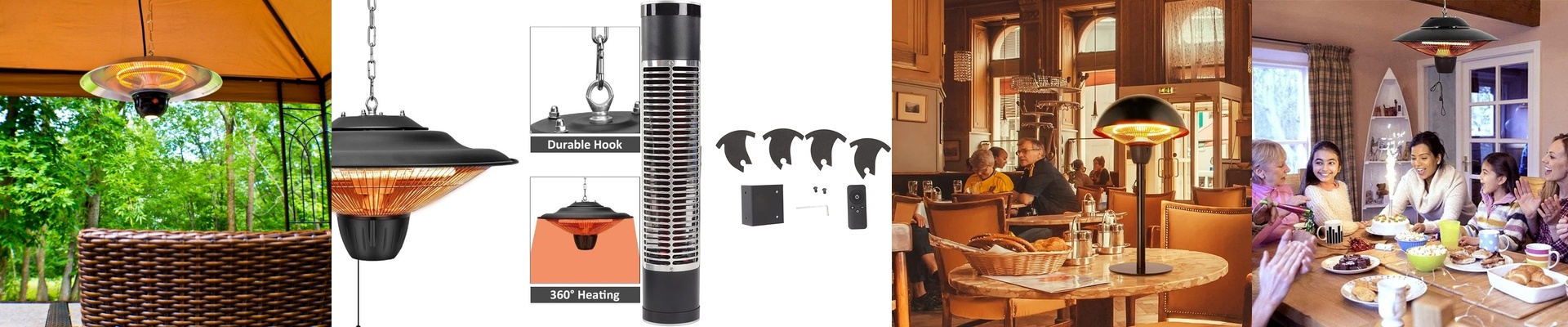
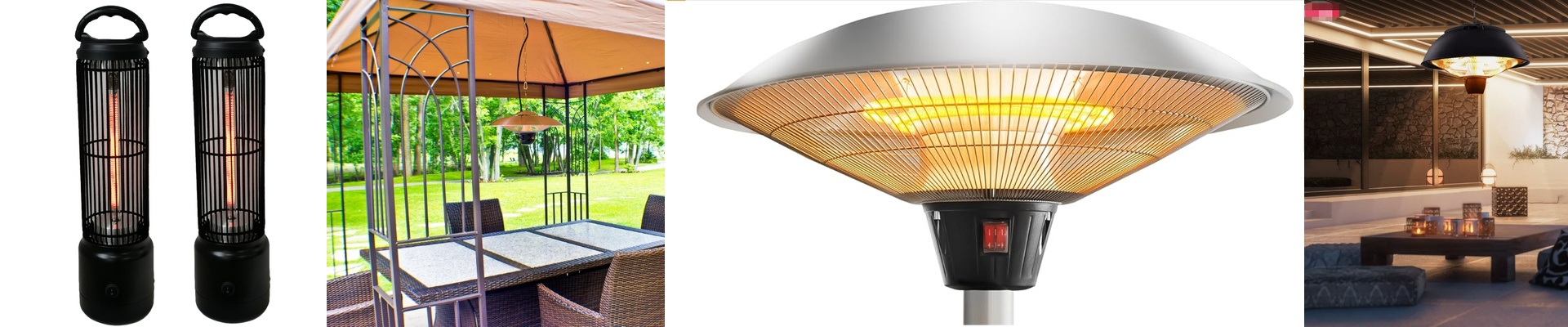
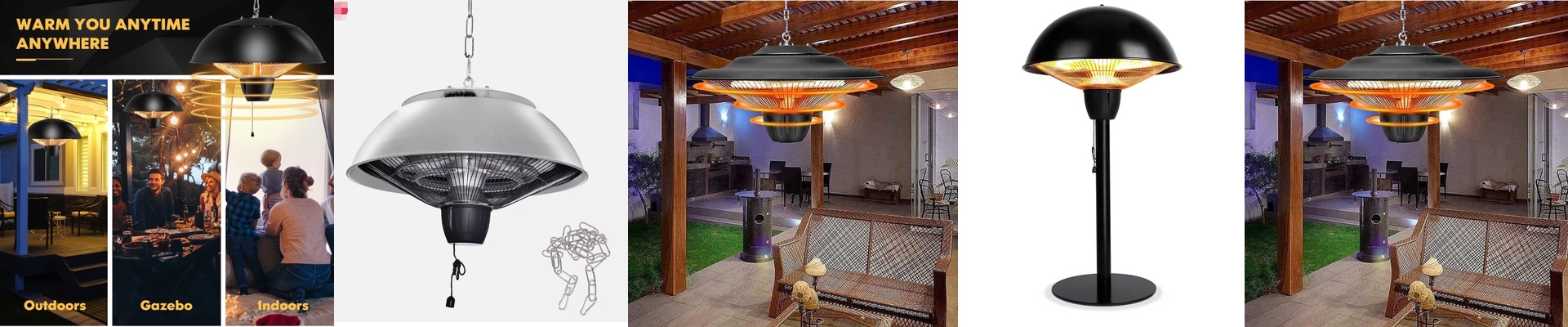

Picture a crisp autumn evening. You’ve got guests on the patio, and that infrared heater of yours just quits. Happens all the time. Five years in, most units either force you to scrap the whole thing or wrestle with a sealed assembly you can’t get into. We built our CE-approved electric infrared heater to sidestep that headache. Comfort shouldn’t hinge on waiting around for a service call.
What matters under the hood
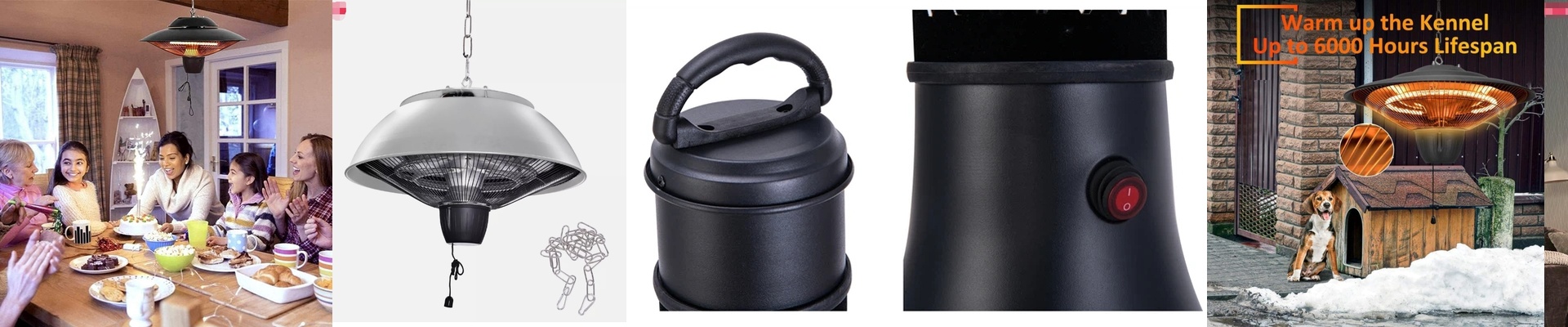
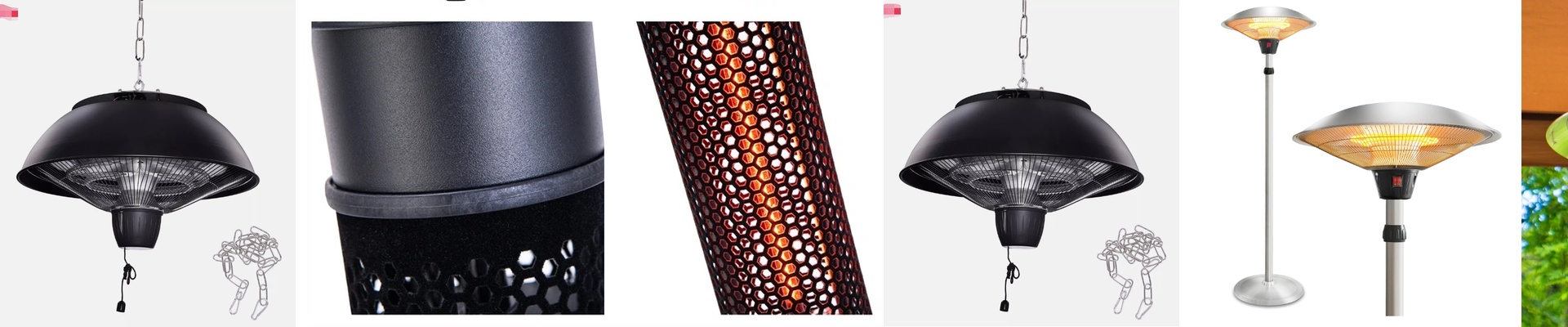
Inside, it runs on an infrared quartz tube element paired with a carbon fiber heating core. The heat is radiant, so it warms people and objects directly, not just the air. The CE mark tells you it meets European safety standards for electric heating—electrical insulation, grounding, and thermal protection are all covered. A built-in thermostat keeps output steady, and tip-over protection shuts the unit off if it gets knocked over. The modular layout keeps the heating element, reflector, and control board as separate, accessible parts. When it’s time for service, you don’t need special tools to swap out the core.
Why it stays in the field
When maintenance rolls around five years down the line, that modular design turns a job that used to eat hours into a quick swap. Pop out the old heating tube, slide in the replacement, and the patio is warm again in minutes. Fewer interruptions. Less downtime for outdoor living. And the long-term cost stays in check because you only replace what’s worn out. The warmth itself feels natural—easy on the skin, steady against drafts, and quick to deliver comfort the moment you switch it on.
A few practical notes
Because this is an electric infrared heater, it needs a stable outlet on a circuit with enough capacity. For the best performance, position it so the beam of warmth reaches the seating area without any obstructions. The modular design keeps service simple, but keep the replacement heating tube stored somewhere dry. That way, it’s ready when you need it.