



Introduction
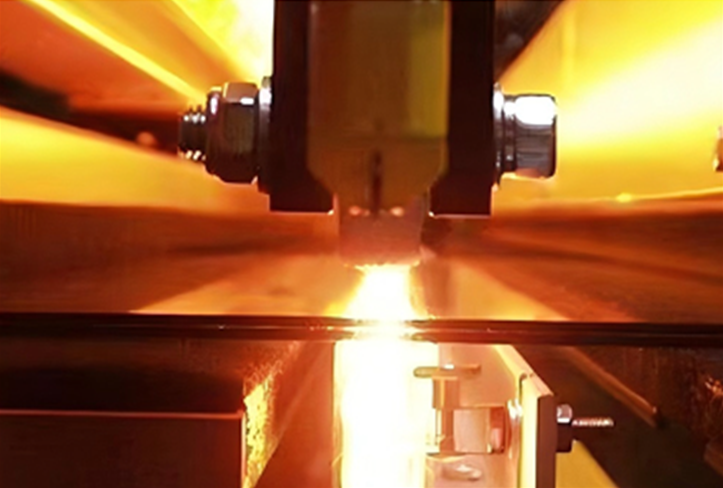
On a glass ink line, time is everything. Every second that ticks by while the ink dries is a second your workflow is stuck in neutral. Standard drying? Too slow. Even mid-wave IR can drag things out. So we built something different: a high-power shortwave infrared halogen lamp, designed from the ground up to give youseconds-level surface dryingright after the ink hits the glass. The whole point? Get the surface dry fast, so you can stack the parts immediately without them sticking together.
The Power Behind the Speed
Here’s the thing about this lamp: it’s all about raw, focused power. We pack2500Wof output into a300mmactive heating zone. That creates an intense heat density, giving you a massive watt-per-unit punch. That’s what blasts the solvent out of the ink in seconds, not minutes.
Voltage, Wiring, and the Real-World Trade-Off
We spec the lamp at400Vfor a practical reason. At the same wattage, 400V means lower current than a 230V setup. And lower current means smaller feed wires, smaller terminals, and less voltage drop over long runs. But there’s a trade-off. The lamp needs to match a 400V control circuit. So if your panel is 230V, you’ll need a step-up transformer, or you’ll need to go with a different lamp rating.
The Build: Halogen, Quartz, and a Smart Fit
Inside, the emitter uses ahalogencapsule housed in aquartztube. The halogen cycle keeps the filament stable, even at extreme temperatures, so the output stays consistent hour after hour. Quartz is the right choice because it transmits shortwave IR efficiently and handles the shock of rapid on/off cycles better than a lot of ceramic materials. And theR7sconnector? That wasn’t a random pick. It’s a proven industrial fit for linear halogen tubes. It gives you solid contact, easy mounting, and a fast, simple replacement—without changing the footprint on your machine.
What It Feels Like on the Line
On a glass ink line, drying is often the bottleneck. With this lamp, the ink hits a shortwave IR pulse that flashes the solvent right off the surface, giving you thatseconds-level surface drying. The payoff? Parts come out ready to stack, and you stop fighting the headache ofstacking blockagecaused by wet, tacky ink. It works easily as aprinting-line配套unit. The lamp starts instantly, holds stable power, and fits into tight spots. But let’s be real: that 2500W density puts out serious heat. So your machine needs proper cooling and thermal shielding. That way, nearby electronics stay safe, and your operators aren’t standing in a blast of ambient heat.