Out on the line, a tempering furnace goes down for a lamp swap, and the work behind it stacks up fast. The operator keeps his distance for a reason—those old heaters throw a lot of heat right at the face. Get too close, and you’re looking at burns, singed seals, or glass that cracks from uneven heating. Keeping a safe gap isn’t paperwork. It’s uptime, yield, and keeping people whole.
What actually matters, technically
When we lay out heating modules, we anchor on a defined safe working gap—usually 300–600 mm off the glass plane, depending on what you’re running. The workhorse is NIR short-wave quartz emitters. They hit the wavelength where glass absorbs cleanly, so response is quick and you don’t waste energy on convection. Output density is matched to the job: 20–40 kW/m² when you need rapid bending and tempering, and lower profiles for coating drying and lamination preheat so you don’t scorch edges. The lamps run on 230/400 V, with compact reflectors and standard mounts that drop into existing frames without reworking the guarding. We don’t just measure uniformity in the middle—we map it across the belt, and we control it with closed-loop zones so thermal stress stays predictable.
Why this spacing plays well across the process
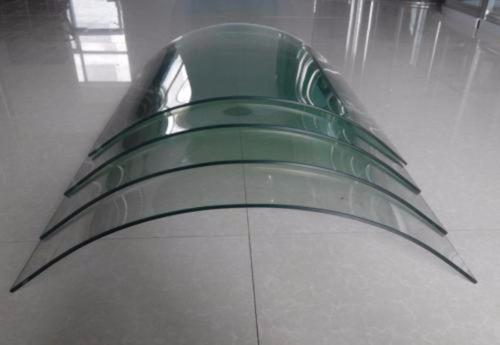
In tempering, the right safety distance lets you keep the quench close without risking operator contact, while the NIR still delivers the surface heat needed to set curvature and compression. In lamination, you preheat fast without cooking the EVA or PVB at the edge seal, so voids drop and optical distortion stays under control. On insulating glass lines, you can keep the sealant zone cool while heating the coating for secondary seal adhesion—compliance without adding guarding distance that throttles the line. The payoff is fewer micro-fractures, cycle times that repeat, and less scrap from temperature swing.
A few shop-floor realities
These NIR modules are compact, but they still need line-of-sight clearance and clean airflow. Dust on reflectors and lamp ends builds up quick, and that fouls performance. They’re not a universal plug-in for every oven—your controls have to match the PLC and the emissivity curve, and you may need minor guarding tweaks to keep the safe distance without losing access. Plan for 24–48 V control, proper shielding, and a calibration routine you can stick to. When the distance is right, the line runs faster and safer, and the heat lands where it should: on the glass.