
Why we put our bathroom lamps through the “steam chamber”
Let’s be honest: bathrooms are a nightmare for electronics. You’ve got thick steam, random water splashes, and temperatures that swing from freezing to scorching in a matter of minutes. If a heating lamp isn’t built for that kind of chaos, it’s toast. The seals leak, the metal corrodes, and the whole thing burns out in a few weeks. That’s why we put our lamps through damp-heat aging tests. Basically, we try to break them in the lab so they don’t break in your home.
The battle between water and quartz
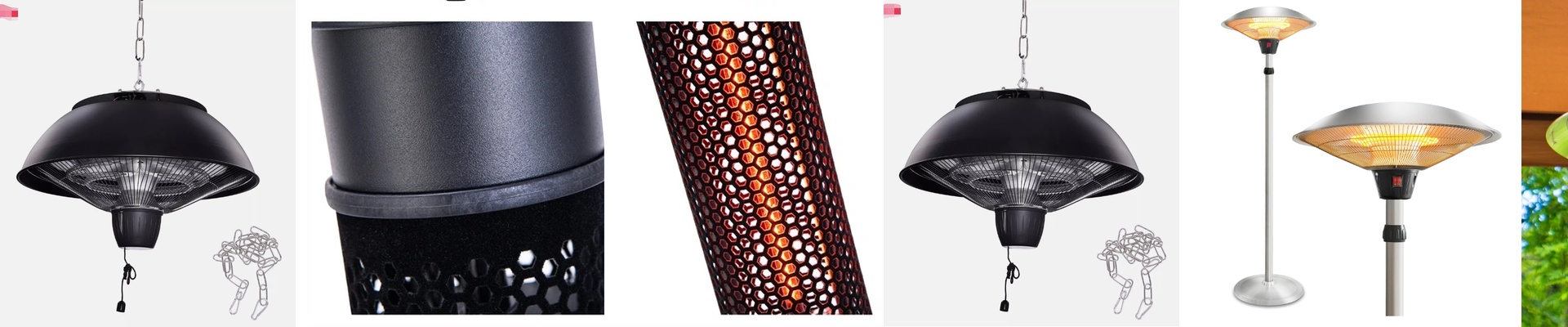
We use short-wave infrared quartz tubes because they’re incredible at moving heat. But here’s the catch: the spot where the metal wires meet the glass is a natural weak point. Moisture loves to sneak into those seals. Once water hits the powered terminals, you’re looking at a short circuit. Not great. To stop this, we lock our lamps in high-humidity chambers for long stretches. We aren’t just checking if the light turns on. We’re hunting for tiny bits of rust on the electrodes or any sign that the waterproof glue is starting to give up.
Handling the “heat shock”
Think about it. A bathroom lamp goes from ice-cold to 500°C in seconds. That causes the materials to expand and contract violently. When you mix that stress with heavy moisture, the glass can crack or the seals can just pop. Our tests mimic this cycle over and over. We push the lamps to the absolute limit to make sure the glass and metal are playing nice together and won’t snap under pressure.
The honest trade-off
Now, making something truly waterproof means we can’t just leave everything open. We have to use thicker gaskets and sealed housings. Does this make the fixture a bit bulkier? Yeah, a little. Does it mean it takes a few extra seconds to reach full heat compared to some industrial heater? Sure. But it’s a trade you’ll want to make. I’d much rather wait three extra seconds for my bathroom to warm up than deal with a lamp that shorts out the first time I take a steaming hot shower. We do these tests to make sure your heater lasts for years, not just a couple of months.