Stop Just Replacing Your Sealing Lamps
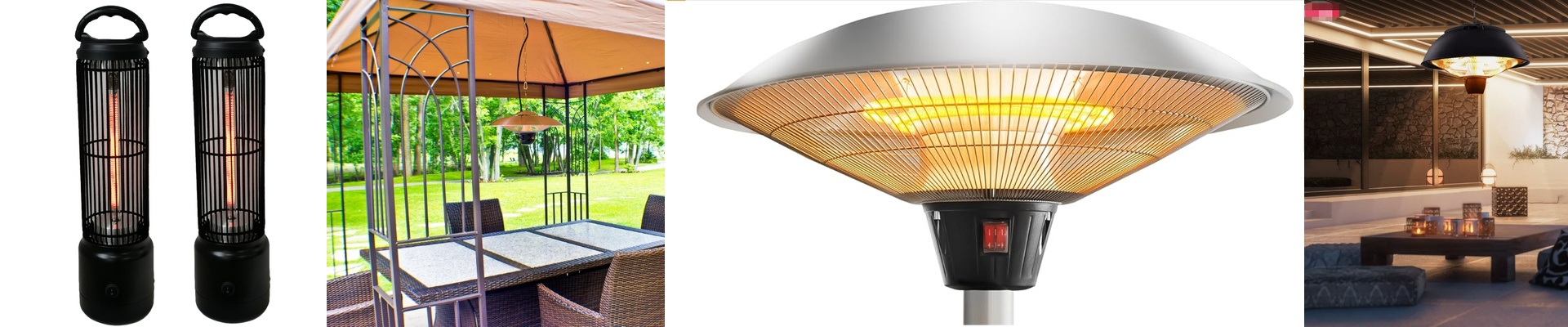
Here is a common mistake: you order a replacement lamp based on a part number, plug it in, and then wonder why it burns out way too soon. It happens all the time. But the truth is, sealing Glass isn’t just about having the right part. It’s a delicate dance between how much heat you’re pumping in and the exact moment that glass starts to soften. That’s why we don’t just throw a tube in a box and ship it. We want to look at your whole setup.
What’s actually happening with the heat?
These lamps use shortwave infrared radiation to hit a very narrow strip of the tube with a ton of energy. If you pack high wattage into a short lamp, you get a massive burst of heat. That’s great because the glass hits its working temperature in seconds. But here is the catch. If your voltage doesn’t play nice with your transformer, the heat spreads unevenly. You end up with “hot spots” and “cold spots.” When that glass cools down, those stress points turn into cracks. It’s frustrating, and it’s avoidable.
The little things that cause big headaches
We use high-purity quartz because it’s the only way the lamp survives its own heat. But even the best quartz can’t fix a bad connection. Whether you’re using R7s or Sk15 connectors, the fit has to be perfect. A loose connection creates a tiny arc of heat that can literally melt your sockets. Then there are the coated lamps. These are great for bouncing heat back toward the glass and saving energy, but they make the lamp itself run much hotter. If your cooling fans aren’t up to the task, the quartz will eventually give up.
Breaking the replacement cycle
If you’re replacing your tubes every three months, stop. A “drop-in” replacement is usually just a band-aid. The real culprit is probably something else—maybe your focal distance is off, or your power cycling logic is fighting you. We prefer to come on-site and actually see what’s happening. We measure the temperature gradient across the seal to make sure you aren’t over-firing the glass. Once we get the heat profile right, your yield stabilizes, and you can finally stop worrying about when the next lamp is going to pop.