

Introduction
We build custom infrared heating lamps for engineers who live and breathe high-gloss glass finishes and fire-resistant coatings. It’s all about hitting extreme heat to cure the coating fully—deep down, without leaving a single blemish on the surface. Standard heaters just can’t cut it. Our lamps were born to deliver steady, controllable heat right where you need it most.
Technical Deep-Dive
When you need ultra-high-temperature curing, you need serious heat density and a system that responds instantly. That’s why we use halogen infrared tubes packed with wattage in a compact length. They blast through thick coatings with the kind of intensity that makes the job feel effortless. We run a 400V setup to push power through the filament without drawing heavy current. Less current means less stress on the wiring—and a cooler control cabinet, which is a big win on the floor. And the size? Intentionally tight. A short tube means you can drop it into existing ovens, retrofit lines, or cramped curing zones without redesigning the whole machine.
Material & Design
Halogen quartz tubes get hot—fast. But the halogen cycle keeps the filament stable by sending tungsten back where it belongs, instead of letting it blacken the tube. That means consistent infrared output, day after day, so your cure profiles stay repeatable. The R7s connector isn’t just a nice-to-have. It’s a proven industrial termination for high-temp lamps, giving you solid contact and mechanical grip that can handle the vibration and thermal cycling of a real production line. And the quartz envelope? It takes rapid temperature swings in stride, so you don’t have to worry about cracking when you jump from idle to full power.
Application & Benefits
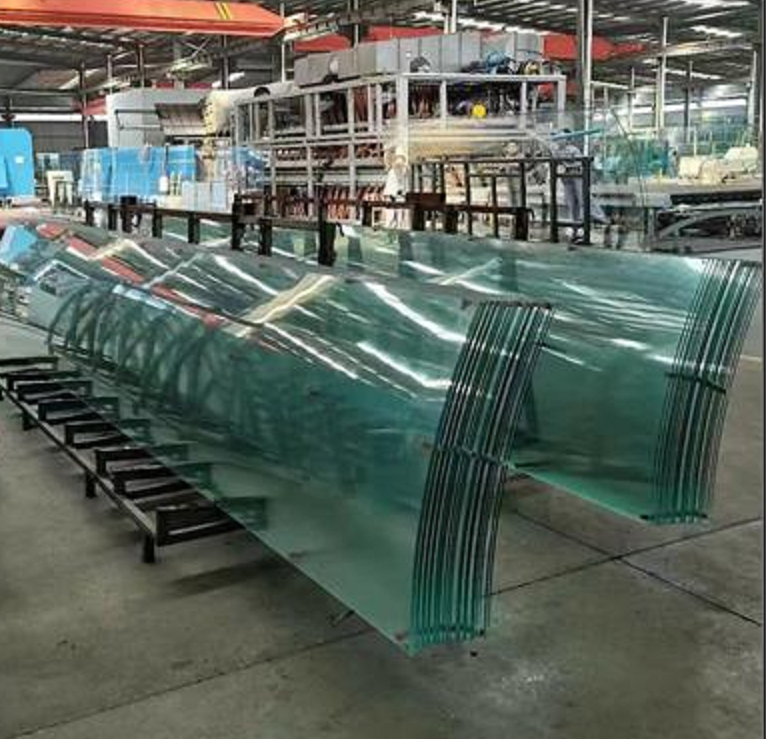
With fire-resistant glass coatings, the real trick is getting full cross-linking at extreme heat while keeping that glass surface flawlessly glossy. Our lamps focus energy right into the coating layer, so the glass substrate isn’t baking under excessive convection heat. The payoff is cleaner cures, fewer rejects, and faster line speeds. One thing to keep in mind: that high heat density means your machine’s cooling system needs to be up to the task. If the reflector and housing can’t shed heat properly, the lamp will run hotter than it should, and service life drops. Plan your airflow and thermal shielding up front, and you get a reliable, drop-in heating solution that keeps the cure curve rock-steady.