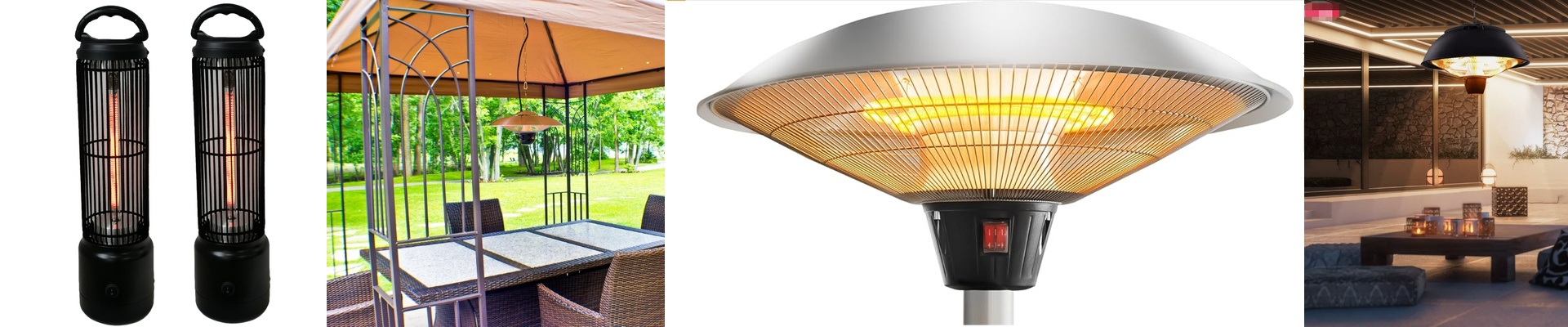
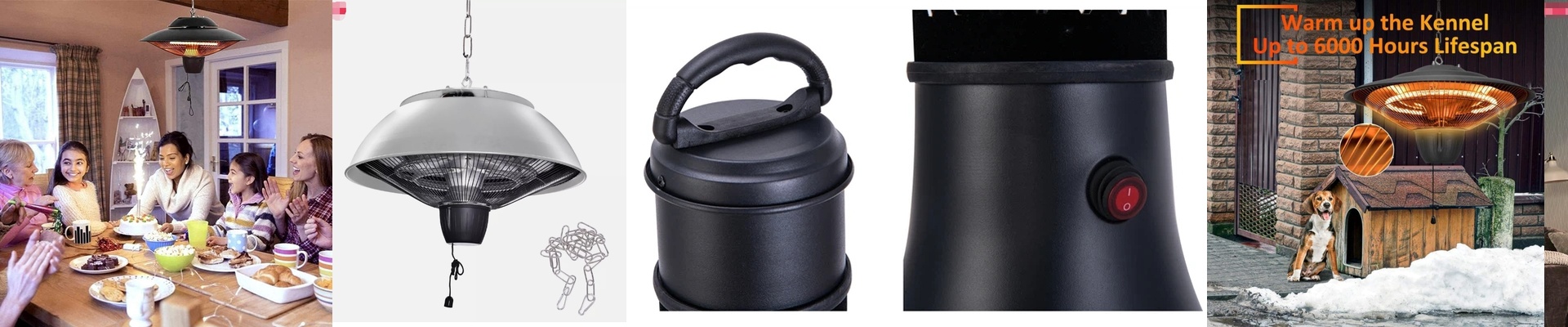
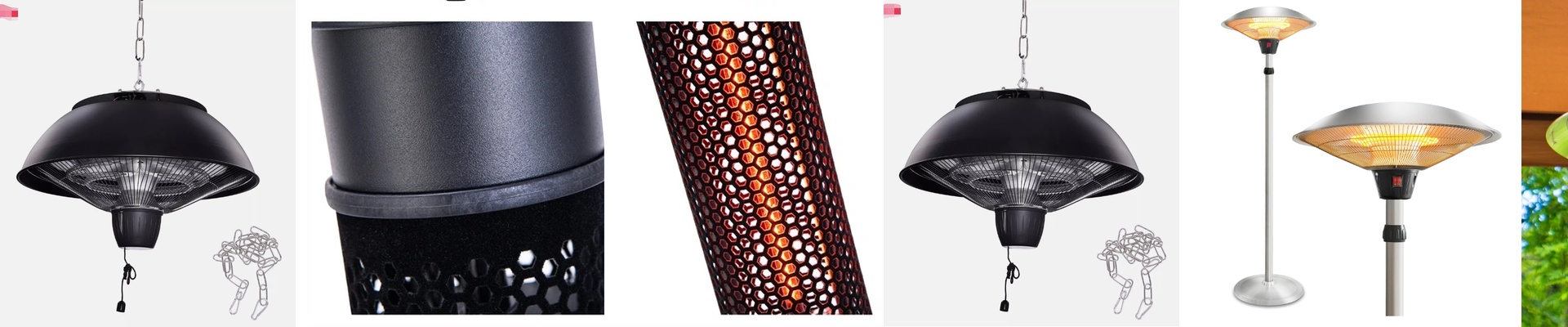
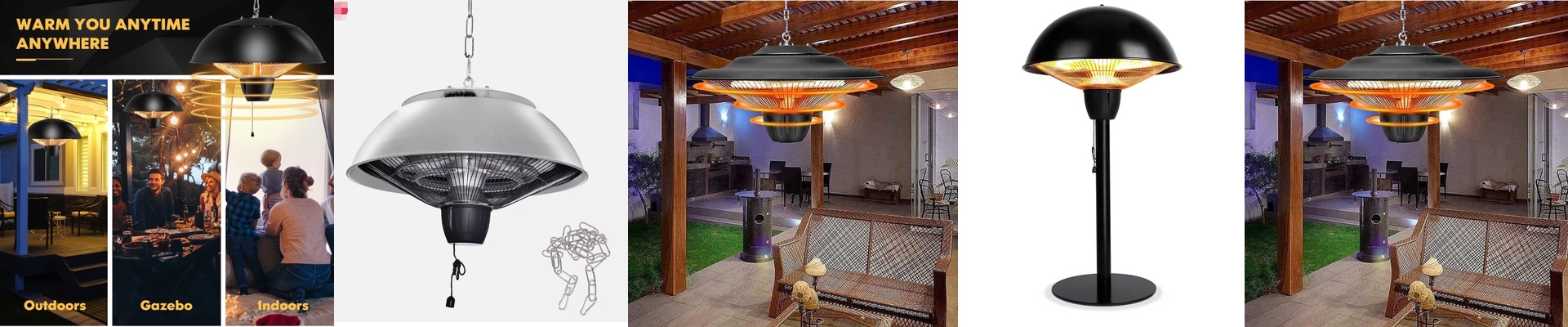
Step into a greenhouse in late autumn, and you feel it before you see it: air thick with moisture, working its way into every seam and connection. If the heater hesitates, seedlings stall, cuttings rot, and the whole cycle slips sideways. That’s why we put every greenhouse infrared heater through brutal湿热 environment aging tests—cycling high humidity and temperature until weak points show themselves, long before the unit ever reaches your benches.
What matters under the hood
We run a quartz tube element because it delivers radiant warmth straight to plants, soil, and benches. Electricity becomes targeted infrared energy with very little air movement, so the heat stays where you need it. In practice, that translates to stable temperatures along the crop line, less condensation on covers, and steadier growth. We pair that element with a straightforward thermostat interface and an IP-rated housing to keep moisture out. The payoff is predictable output over long runtimes—stability you can measure in consistent canopy development.
Why infrared earns its keep in a greenhouse
Greenhouse work is all about repeatable conditions. Infrared heat warms surfaces first, so you can manage night temperatures without blasting air around and stirring up disease. You get tighter control over dew points, which helps reduce fungal pressure, and you keep root zones warmer when the outside air turns sharp. Because it’s electric and radiant, the system can be zoned close to tender plants, avoiding the swings you get with forced-air units. Reliability isn’t optional here—one failure can wipe out weeks of work. Our aging tests are built to stop that from happening.
The practical details that make it work
Even a solid greenhouse infrared heater needs smart placement. Keep the element at a safe distance from foliage and irrigation lines, and match the thermostat to the load. High humidity is the baseline in this environment, so use corrosion-resistant mounting hardware and wiring rated for damp locations. One real-world note: radiant heat delivers comfort where you aim it, but it won’t heat the air evenly. Pair it with gentle air circulation to smooth out the microclimate.