Why You Actually Need Explosion-Proof Quartz in Your Bathroom
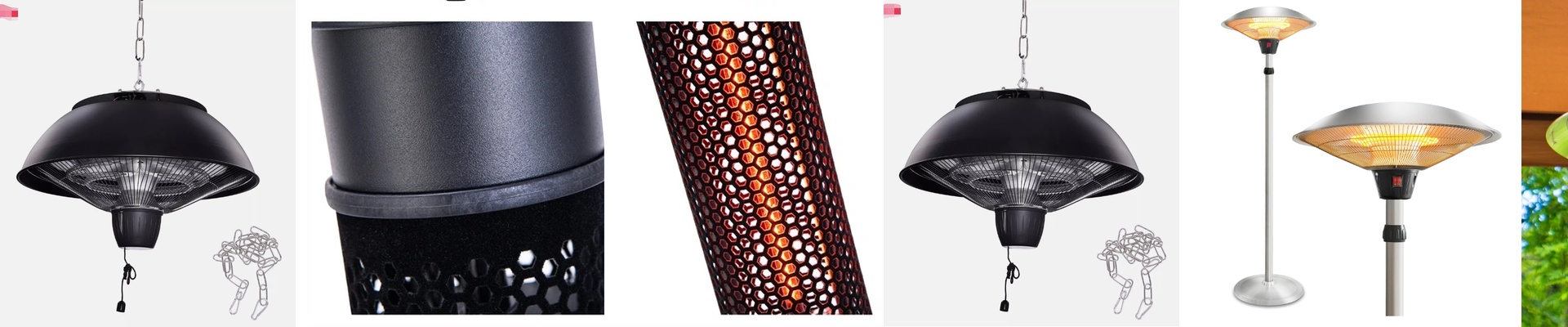
Let’s be real: putting a high-wattage heater in a bathroom with high ceilings is a bit of a gamble. You’ve got a thermal element getting screaming hot, surrounded by thick steam and humidity. If you use a standard quartz tube, you’re asking for trouble. Imagine a tiny droplet of cold water hitting a tube that’s sitting at 800°C. The glass shrinks instantly. Then it shatters. It’s loud, it’s messy, and it’s a nightmare. That’s why we stick with explosion-proof quartz.
It’s all about the stress
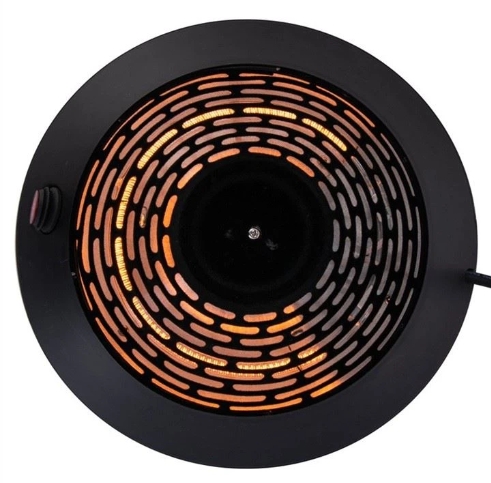
When we say “explosion-proof,” it doesn’t mean the thing is going to blow up like a bomb. It’s more about how the material handles the pressure. We use specific additives or layered structures to make the quartz more flexible. It basically lets the glass “breathe” when the temperature swings wildly. So, when that stray water drop hits the surface? The tube just takes it. No cracks, no drama. This is a lifesaver for those big, airy bathrooms. We usually go with short-wave infrared because it doesn’t waste time trying to warm up all that humid air. Instead, it shoots the heat straight down to your skin and the floor. You feel it immediately.
The nitty-gritty stuff
Inside most of these units, you’ll find a halogen-filled quartz envelope. The halogen keeps the tungsten filament from burning out too fast, which means you aren’t replacing the lamp every few months. We also use heavy-duty ceramics to hold everything together because the heat soak is intense. One quick tip: watch your wiring. If you’re installing a bunch of these in a huge house or a commercial spa, don’t cheap out on the cables. Undersized wiring leads to flickering lights or filaments that pop way sooner than they should.
A few warnings from the field
These tubes put out a massive amount of heat in a very small space. Even if the glass doesn’t break, that heat can absolutely melt or warp a cheap plastic housing. Stick to aluminum or stainless steel reflectors. If the housing isn’t built for the peak temperature, the whole fixture will start to sag over time, and it looks terrible. Also, make sure your fans are actually working. If you don’t clear out the moisture, your electrical terminals will corrode, and then you’ve got a whole different set of problems on your hands.