
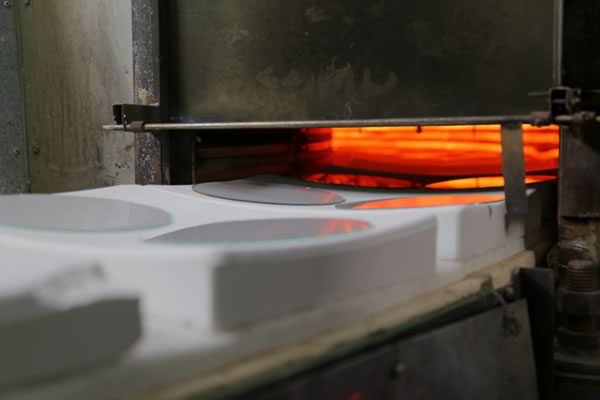
Getting Your Glass Silk-Screen Tempering Right with Single Tube IR Lamps
Here is the struggle when you’re combining tempering with silk-screening: it’s a balancing act. You need enough heat to make that ink stick for good, but if you go overboard, the pattern blurs or the glass stresses out. It’s a headache. That’s why we use single tube infrared lamps. They give us a way to actually control that heat. Taming the heat It all comes down to how the heat hits the glass. With a single tube setup, we can be really precise. By tweaking the wattage or just shifting the distance between the lamp and the glass, you control how fast things heat up. If you blast it too hard and too fast? The ink boils. It bleeds. Your crisp pattern is gone. We set these tubes up to provide a steady, deep heat that gets into the glass without scorching the ink on top. Why quartz matters We use high-purity quartz for these lamps because the light spectrum just works better with glass. The best part is how fast they react. You can change the power on the fly. If you’re running a line and need to switch to a different glass thickness, you don’t have to kill the conveyor and wait. You just adjust and keep moving. It keeps the heat exactly where it needs to be. The real-world trade-off Now, there’s a catch. High-wattage tubes are great for speed, but they’ll pull a lot of power from your electrical panels. If you’re pushing for maximum speed, you can’t ignore your cooling fans and vents. If the housing gets too hot, your connectors will fry and your lamps won’t last nearly as long. It’s all about that sweet spot. You have to balance your line speed with the heat output to make sure every single sheet of glass comes out strong and consistent.