Why we’re switching to IP55 Infrared for bathrooms
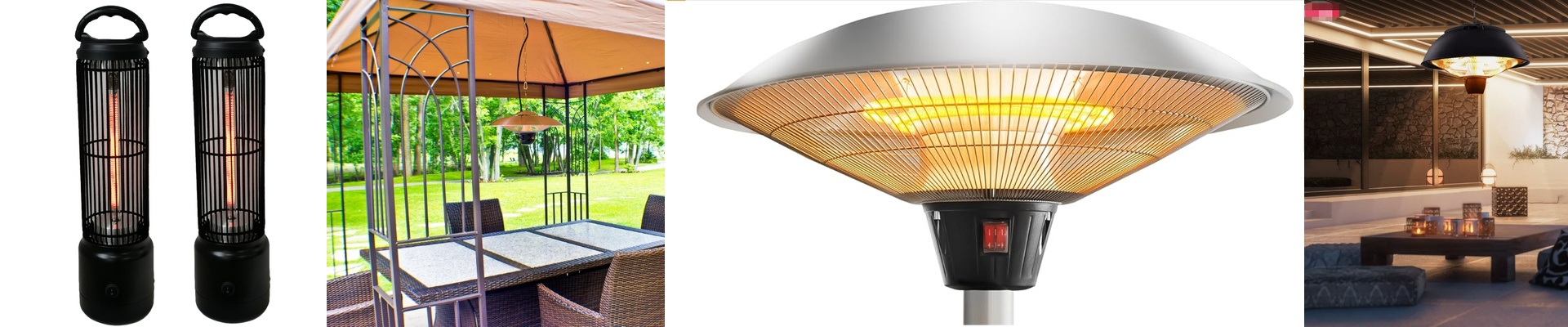
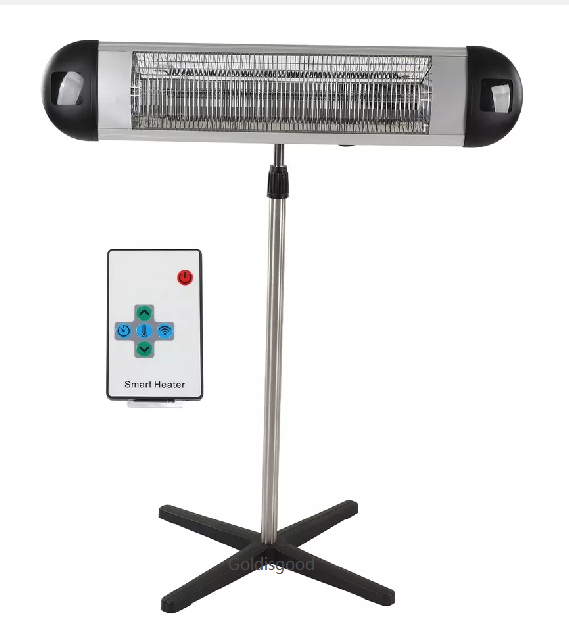
Ever notice how those old-school “lamp heaters” always seem to die right when you need them? It’s usually because they just aren’t built for the steam. Lately, we’ve been swapping them out for IP55-rated infrared heaters during renovations. It’s not just a trend—it’s about how they actually handle water and heat. The deal with IP55 If you’ve never heard of an IP55 rating, think of it as a shield. It means the unit can handle dust and those random splashes of water that happen in a bathroom. Most old heaters have tiny gaps in the casing. Steam creeps in, the wires start to rust, and eventually, the whole thing shorts out. An IP55 unit seals all that electrical stuff away. The water stays out, but the heat still gets through the lens to keep you warm. Simple. Heat you can actually feel Here’s the thing about traditional heaters: they try to warm up the air. That takes forever. Infrared is different. It doesn’t care about the air; it goes straight for you and the surfaces around you. We use short-wave emitters, which means you feel the warmth the second you flip the switch. No more waiting ten minutes for the room to stop feeling like a freezer. Plus, it’s way easier on your home’s electrical panel. A couple of things to keep in mind You can usually hook these up to your existing bathroom circuits, but you’ve got to get the breakers right. These units pull a lot of power the moment they kick on. If your wiring is too thin, you’ll be tripping the breaker every single morning. Not a great way to start the day. And just a heads-up: this is “spot heat.” It creates a cozy zone of warmth. If you step out of the beam, you’ll feel the chill again immediately. It won’t make the whole room feel like a sauna, but for that walk from the shower to your towel? It’s a lifesaver. Much better than cranking up the HVAC for the entire house just to avoid shivering for two minutes.