
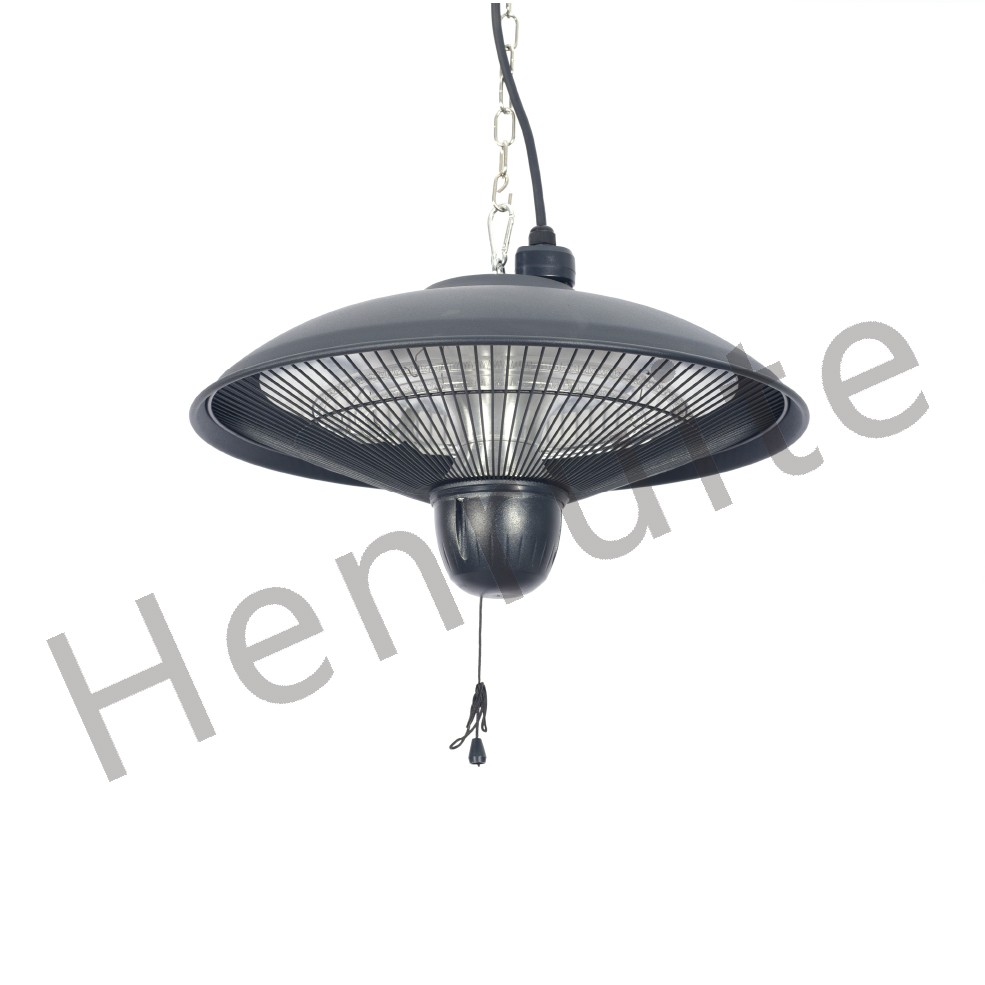
How to actually pick an infrared heater for a bathroom
Putting a heater in a bathroom isn’t as simple as just plugging something in. You’re fighting a constant battle against damp air and those freezing cold tiles that make you want to jump straight out of the shower. The biggest mistake I see? People just grab the most powerful heater they can find. But if you put a 1000W lamp in a tiny powder room, you’re just wasting electricity and turning the place into a sauna. It’s all about the math. Finding the right power Think of it in three buckets. If you’ve got a small bathroom (under 4m²), a 250W to 400W lamp does the trick. For those medium-sized spaces between 4m² and 8m², you’ll want to bump it up to 600W or 800W. Then you have the big master baths or wet rooms. Once you go over 8m², you’re looking at 1000W+ or maybe a few smaller units spread out so you don’t end up with those annoying cold spots. We stick with shortwave infrared here. Why? Because it doesn’t waste time trying to heat the air. It hits you and the surfaces around you instantly. You feel the warmth the second you flip the switch. Dealing with the steam Bathrooms are pretty brutal on gear. Between the steam and the occasional splash, things get wet. Fast. That’s why an IP66 rating is a non-negotiable. You need a housing that can take a beating. If the seal isn’t tight, moisture creeps in and hits the quartz tube. When that happens, the thermal shock just snaps the tube, and your heater is toast. The trade-off Sure, higher wattage means you get warm faster. But keep an eye on your breakers. If you wire up four 1000W lamps on one line, you’re probably going to trip the power. A better way to handle it? Use a timer or a thermostat. It kills the power once the room feels right, which means the lamps aren’t running at full blast 24/7. Your filaments will last a lot longer, and your electric bill will thank you.