

Stop Killing Your Cutting Wheels on Thick Glass
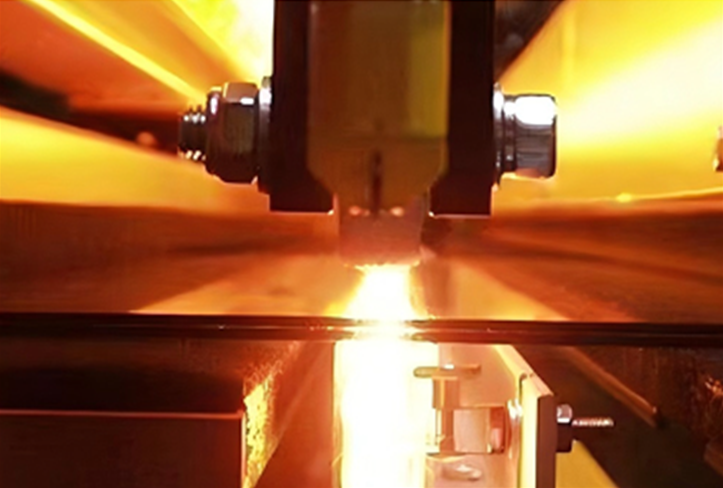
If you’ve ever tried to cut ultra-thick glass, you know the struggle. It’s brutal on your equipment. You watch those cutting wheels burn out or chip way too fast because, at room temperature, that glass is just too rigid. It fights back. To stop the bleeding, we use high-penetration infrared (IR) lamps and precision reflectors. The goal? Soften the glass right where the blade hits. Getting the heat where it matters Most heaters just warm up the surface, which doesn’t do much for a thick slab. That’s why we go with shortwave IR. These wavelengths actually dive deep into the glass. By hitting the cutting path directly, we get the glass to a point where it’s a bit more forgiving. We aren’t melting it—far from it—but we’re shaving off that mechanical resistance. When the glass stops fighting the wheel, your blades stay sharp for a lot longer. Simple as that. Don’t forget the reflector Here’s the thing: an IR lamp on its own is a waste of power. Half the energy just floats away. That’s where the reflectors come in. They bounce that energy straight back into the glass, concentrating the heat exactly on the line you’re cutting. But be careful with your gear. If you use cheap aluminum or your alignment is off, the heat bleeds. Not only does that waste electricity, but it can actually shock the glass if the temperature jump is too sudden. The trade-offs These lamps put out a massive amount of heat. You can’t just plug them in and walk away. You’ll need a cooling system that can handle the heat building up around the housing. If that housing gets too hot, your lamp is going to die early. I’d suggest a closed-loop temperature sensor to keep things in check. If you overdo it and the glass gets too soft, you’ll end up with jagged edges or weird “beading” along the cut. One last tip: use high-temp leads for your wiring and clean your reflectors every single week. A little bit of dust on that mirror kills your penetration depth. Keep it clean, and it’ll keep working.