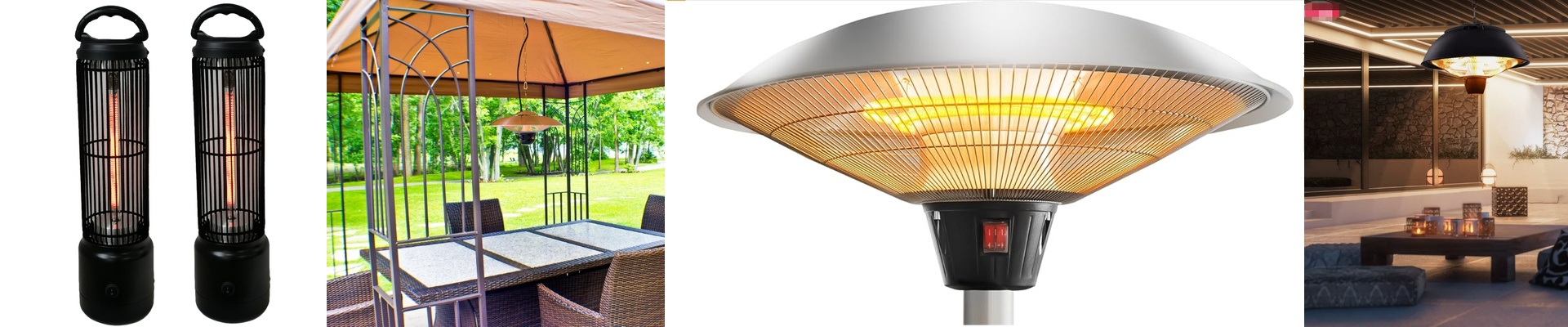
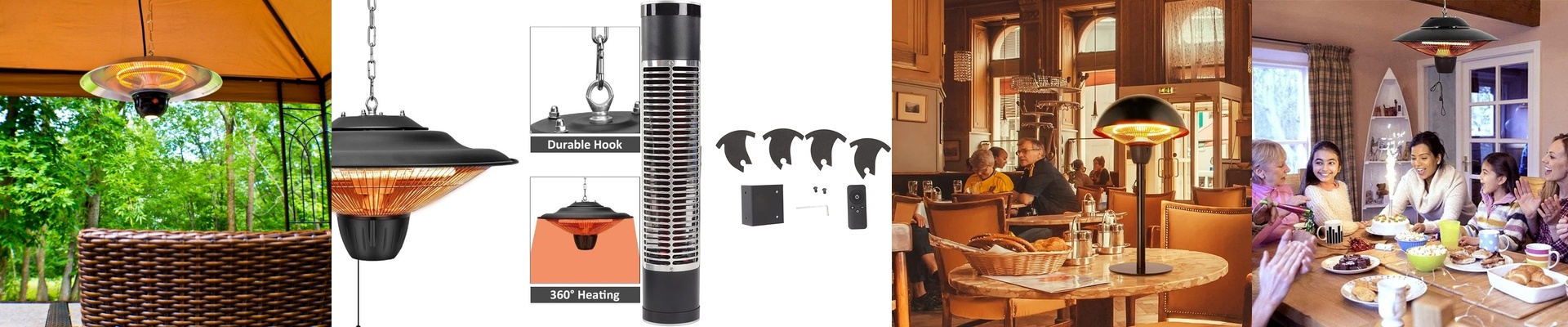
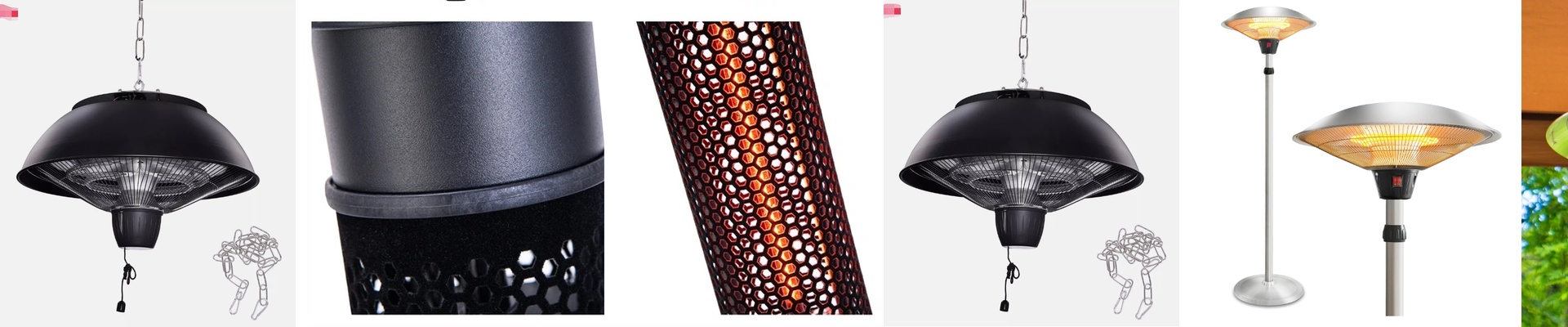
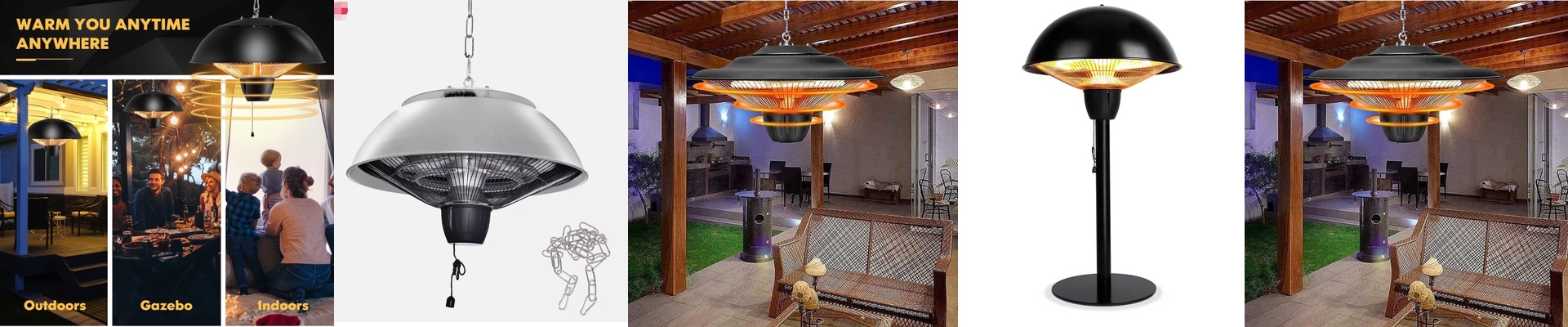

Why an Infrared Lamp is Secretly Your Best Weapon Against Bathroom Mold
Most people think of those infrared bathroom lamps as just a way to keep from shivering when you step out of the shower. I get it. But if you look under the hood, they’re doing something way more interesting than just warming your skin. They’re actually fighting a war against moisture.
How it actually works
Here is the thing: most heaters just warm up the air. That’s fine, but it doesn’t do much for the dampness hiding in your grout or the corners of your ceiling. We use something called shortwave infrared. Instead of just heating the room, this energy actually reaches into the surfaces of your walls. It makes the water molecules vibrate so fast that the moisture turns into vapor and disappears. Essentially, it keeps your tiles and grout dry. And since mold loves a cold, damp place to hang out, taking away the moisture means the mold simply has nowhere to live.
The perfect team-up
Think of the lamp as the “pusher” and your exhaust fan as the “puller.” Usually, a fan just clears the steam out of the air, but it leaves your walls feeling clammy. That’s where the IR lamp comes in. It pushes the hidden moisture out of the walls and into the air, where your fan can actually grab it and throw it outside. It’s a much faster way to get the room totally dry.
A few things to watch out for
Now, you can’t just slap these anywhere. High-wattage lamps get hot. Really hot. If you put them too close to cheap ceramic tiles, you might end up with “hot spots” that could actually crack the tile over time. I always suggest staggering the layout so the heat spreads evenly across the room. And for the love of everything, check your wiring first. These lamps pull a lot of power the second you flip the switch. If your circuit isn’t up to the task, you’re going to trip the breaker immediately. Just make sure your wiring can handle the load before you start drilling holes in the ceiling.