

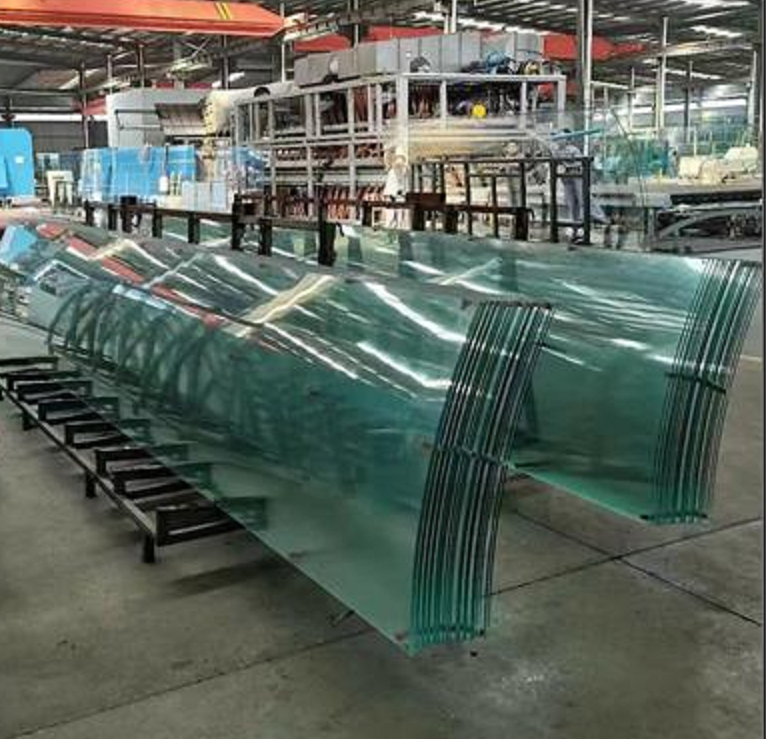
Cutting ultra-thick glass is basically a wrestling match. If you try to push a standard cutter wheel through a heavy slab, you’re fighting the material every inch of the way. The friction is brutal. Your blades wear out fast, and you usually end up with those annoying, jagged edges that ruin a good piece. We found a better way. Instead of just forcing the blade through, we use high-penetration infrared (IR) lamps to prep the glass first. Here is how it actually works. Shortwave IR radiation doesn’t just sit on the surface; it sinks deep into the glass. By hitting the cutting line with a concentrated beam, we warm up the material. We aren’t talking about melting it—that would be a disaster. We’re just loosening those molecular bonds a bit. When the cutter wheel finally hits that pre-heated zone, it doesn’t fight. It just glides. And your tools will thank you. Normally, cutting thick glass creates these tiny micro-chips that chew through carbide or diamond edges. It’s a slow death for your equipment. But when the path is softened, you don’t need nearly as much force. Your blades last longer, and you get way more meters out of every single wheel. But you have to be careful. These lamps put out an incredible amount of heat. If you crank the wattage too high or leave the lamp on too long, you’ll hit “thermal shock.” That’s when the glass cracks on its own before you’ve even started the cut. It’s a balancing act. You have to get the distance and the timing just right. Plus, you can’t ignore the heat buildup around the lamp housing—if your cooling system isn’t up to the task, your wiring will start to degrade. The trick is to wire these lamps into a precision timed circuit. That way, the glass gets exactly as hot as it needs to be, and the rest of your shop stays cool.