Why we’re ditching old bathroom lamp warmers for IP65 infrared heaters
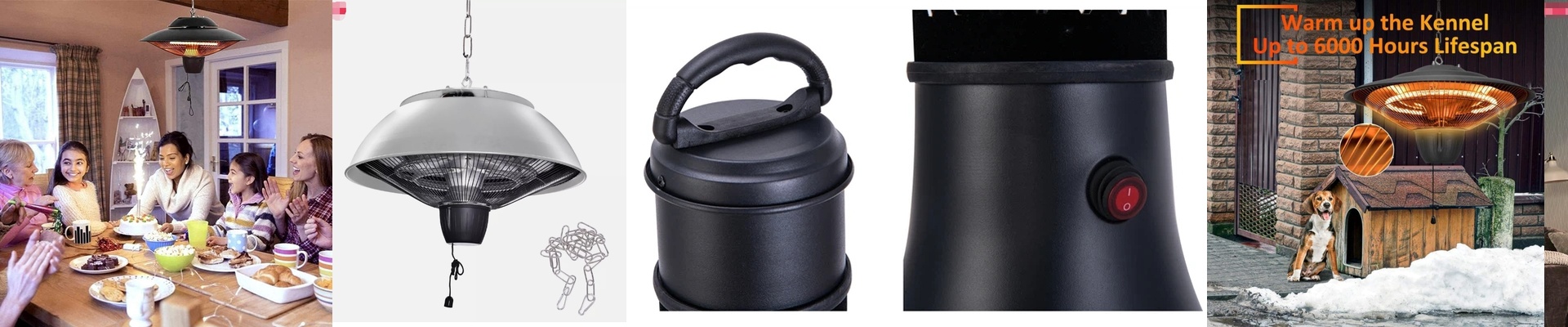
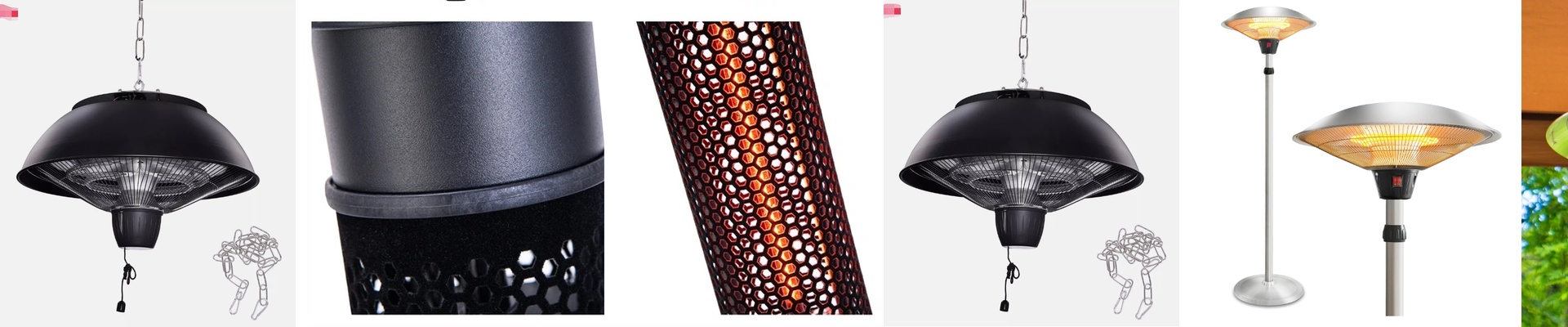
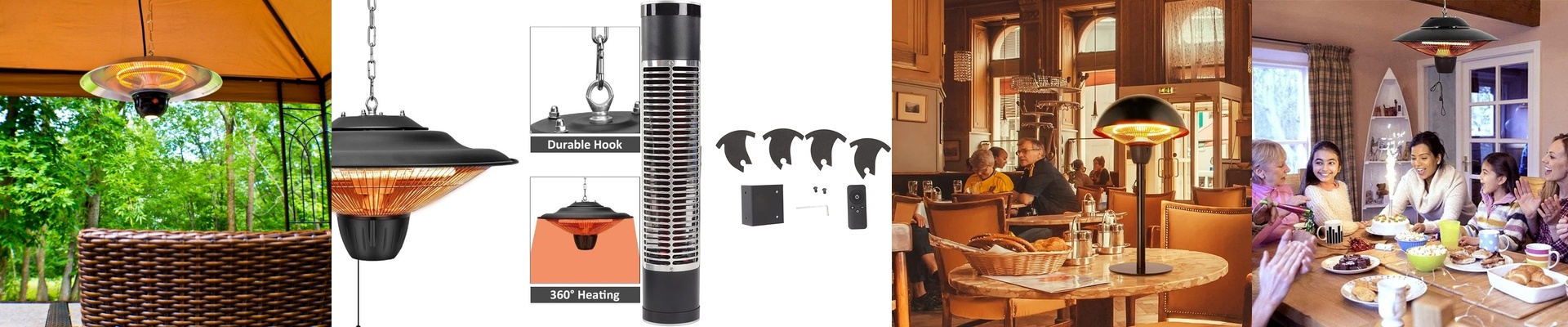
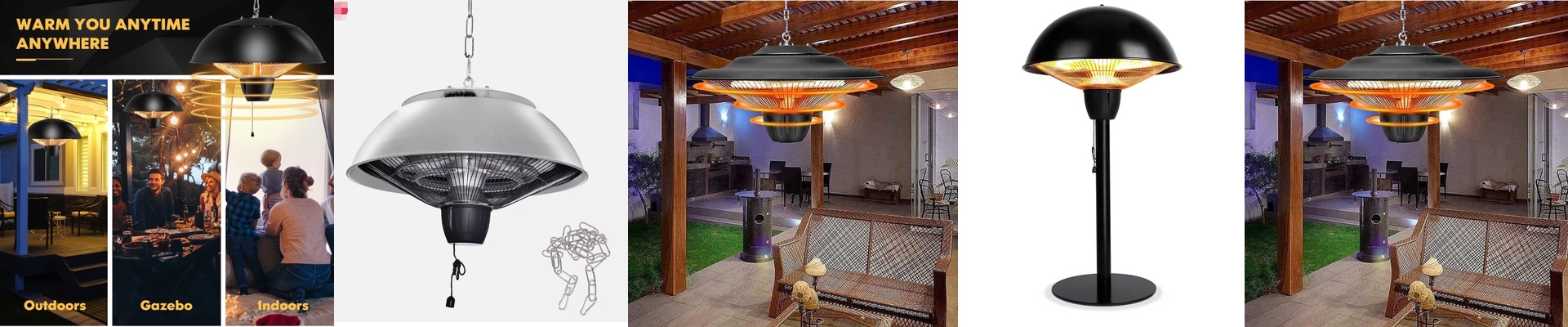
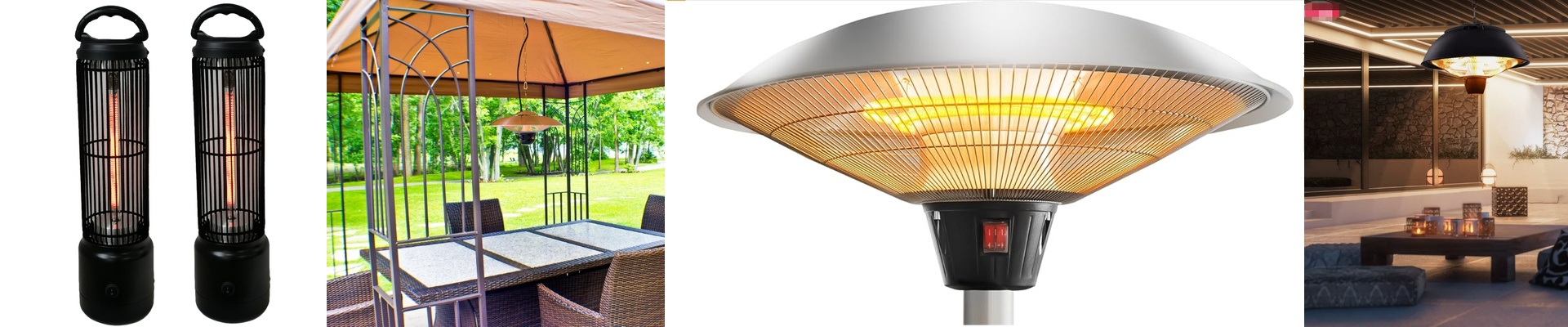
Let’s be honest: there is nothing worse than stepping out of a steaming hot shower and hitting a wall of freezing bathroom air. It ruins the whole mood. For years, people relied on those basic lamp warmers. But here’s the problem—they just aren’t built for the steam. We’ve seen too many of them short out or just start to rust because they can’t handle the humidity. That’s why we’re seeing a huge shift toward IP65-rated infrared heaters. It’s not about looking fancy; it’s about actually keeping the water out of the electronics. The deal with IP65 When you see “IP65,” it basically means the unit is sealed tight. Dust can’t get in, and water jets can’t push their way through. In a bathroom, you’ve got steam everywhere and the occasional stray splash. Without those sealed gaskets and corrosion-resistant casings, the moisture just eats away at the electrical contacts. If you put a standard heater in a shower zone, it might work for a bit, but it’ll likely give up the ghost in a couple of seasons. Instant heat, no waiting Most heaters try to warm up the air in the room. The problem? That takes forever, and the heat just rises to the ceiling while you’re still shivering. Infrared is different. It sends out waves that heat you directly. It’s like stepping into a patch of sunlight on a cold day. You feel the warmth the second you turn it on. We use shortwave emitters because they pack a punch without taking up half your ceiling. No more waiting around for the room to warm up. A few things to watch out for during install Now, you can’t just swap a lightbulb for one of these and call it a day. These units pull a decent amount of power, so you need to make sure your circuit breakers are up for the task. They also get hot—really hot. Make sure you leave enough breathing room between the heater and your ceiling so things don’t overheat. One last tip: check your wiring gauge. If the wires are too thin, you’ll get a voltage drop. That doesn’t just make the heater weaker; it actually kills the heating element a lot faster. Get the wiring right, and you’re set for years.