Stopping the Crack: How to Fix Cold Spots in Complex Glass
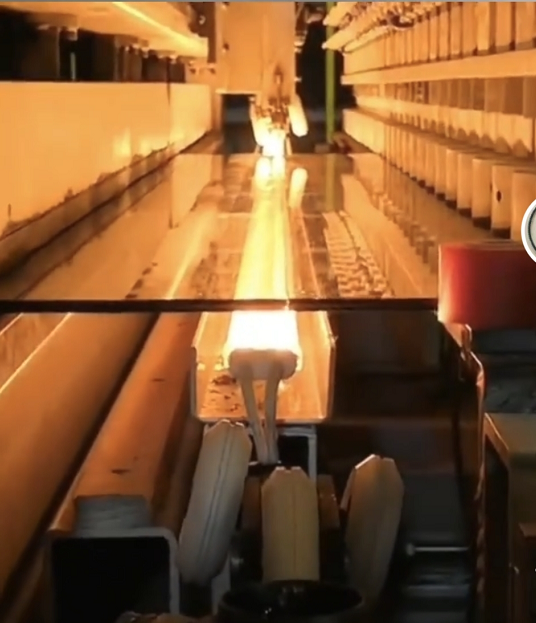
There is nothing more frustrating than pulling a piece of complex glassware out of the kiln only to find it’s cracked. Usually, it comes down to one thing: temperature gradients. When you’re working with weird shapes or deep containers, standard convection kilns just can’t keep up. They leave “dead zones”—little pockets where the glass shields itself from the heat. That uneven temperature creates internal stress, and then, boom. Your piece shatters during the cooling phase. Getting around the geometry To fix this, we stop relying on air and start using shortwave infrared (IR) lamps. Here’s the thing: air has to flow, but IR radiation travels in straight lines and hits the glass directly. But you can’t just throw one lamp in there and call it a day. If you do, the vessel’s own walls will cast “shadows” where the heat can’t reach. The trick is to set up these lamps in multi-angle arrays. By hitting the piece from several different directions at once, you basically erase those shadows. The balancing act Now, you might think “more power equals better results.” Not exactly. High-wattage quartz lamps are great for knocking out thermal stress quickly, but if you cram too many of them into a small space, you’ll run into a new problem: hot spots. Too much heat in one spot and your glass starts to warp. It’s a bit of a dance. You have to balance the lamp wattage with how fast your conveyor is moving. You want the glass to hit that sweet annealing point, but you absolutely cannot let it cross into the softening point. Keeping it running Setting this up takes some patience. You need precise spacing to keep the heat flow steady. And please, use heavy-duty connectors. These environments are brutal, and cheap wiring won’t last a week. One more thing to watch out for: lamps age. As they get older, their light output shifts. If you aren’t calibrating your pyrometers regularly, those dead zones will start creeping back in without you even noticing. Also, don’t skimp on ventilation. If the heat builds up around the sockets, it’ll fry your wiring. Keep it cool, keep it vented, and your gear will actually last.