A Better Way to Handle Stress in Tempered Glass
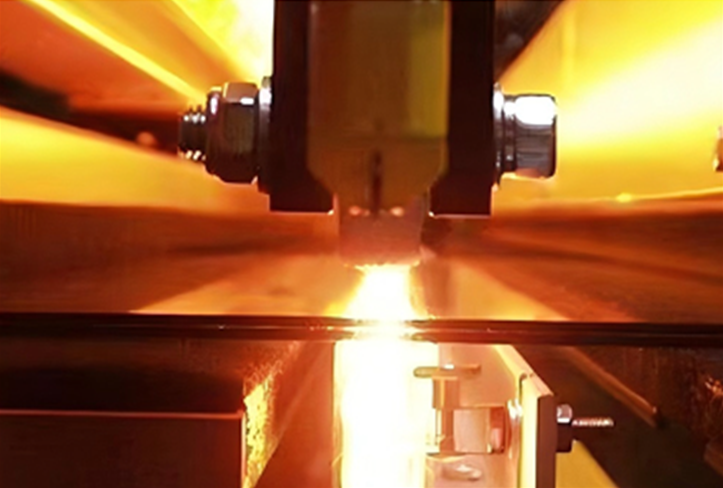
Getting the internal stress out of tempered glass is all about the heat. But if you’ve ever tried doing this with a few standalone IR lamps, you know the headache. You end up with uneven heat, weird hot spots, and a mountain of labor just to get everything lined up. We decided to stop just selling tubes and start solving the actual problem. Instead of giving you a part, we give you a curved heating module that just drops right in.
Why we went modular
Think about the old way. You buy a lamp, then you spend your afternoon messing with wiring, brackets, and alignment on the shop floor. It’s a lot of guesswork. Our modules take that off your plate. We build the curvature to match your glass profile exactly. Because the distance between the emitter and the glass stays the same across the whole surface, you don’t have to worry about thermal shock or patchy tempering.It just works.
The technical side (and the catch)
We use short-wave infrared and high-wattage quartz tubes. The goal here is heat density. It means the heat hits the glass fast and penetrates deep, so your ramp-up times are way shorter. But here’s the thing: that kind of power isn’t free. These modules pull a lot of juice. If your electrical panels, transformers, or cables aren’t up to the task, you’ll see voltage drops. And if the power is undersized, the lamps won’t get hot enough to actually relieve the stress. Definitely check your power specs before you plug these in.
Setup and the “long run”
We designed these to be turnkey. You wire the module to your controller, and you’re done. No more spending hours fiddling with brackets. And when a lamp eventually burns out—because they always do—you don’t have to recalibrate the whole heating zone. You just swap the tube or the unit and get back to work. It saves a ton of manual labor and keeps your line moving.