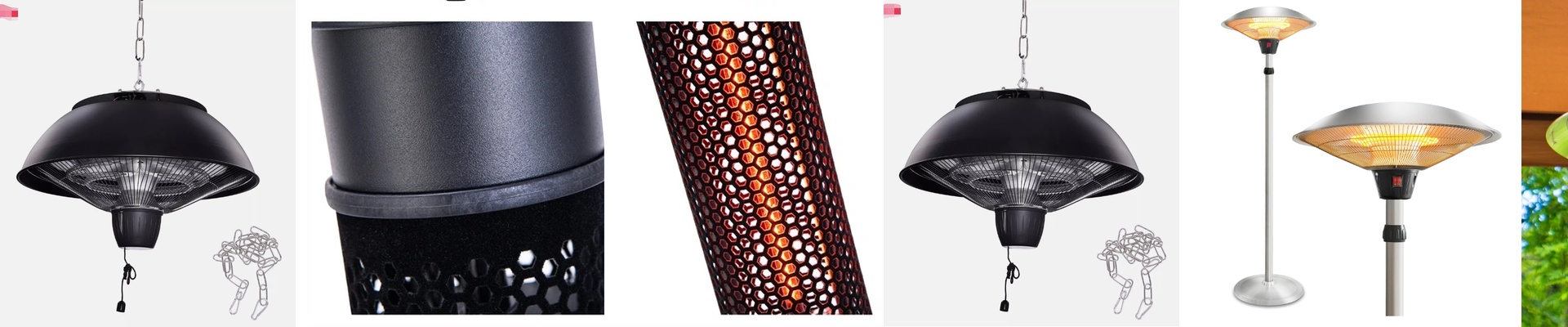

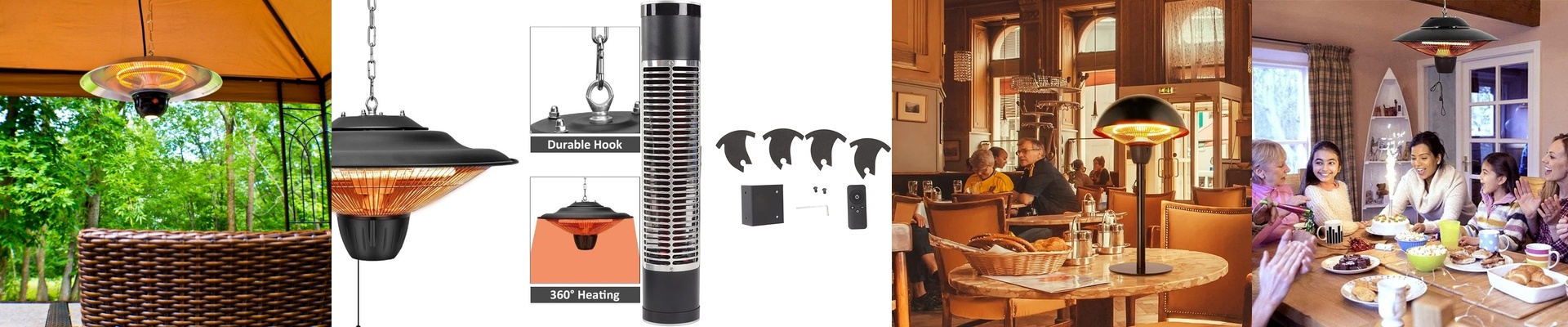
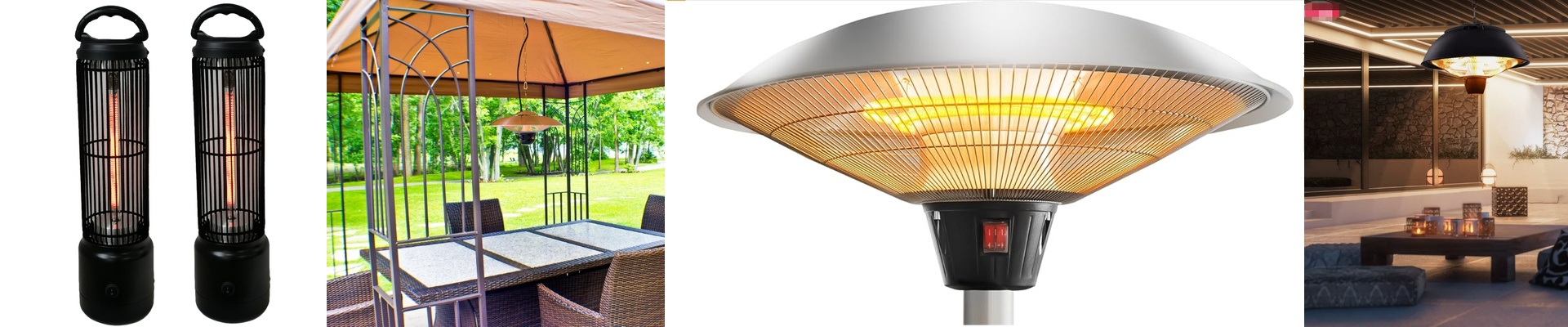

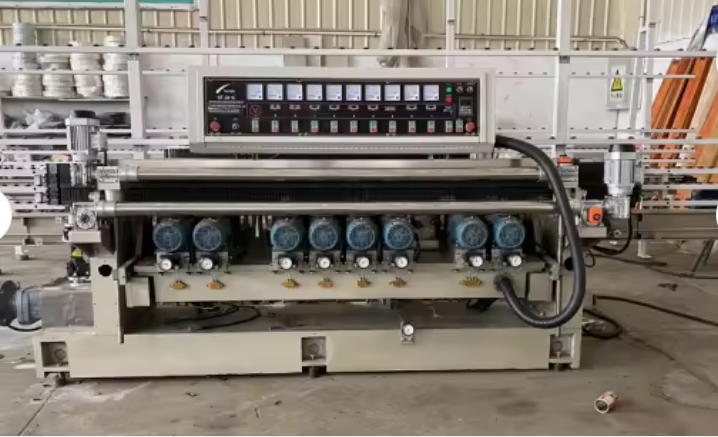
Cutting through ultra-thick glass is a nightmare for cutter wheels. It’s an absolute grind, and the stress on the equipment is massive. To fix this, we use high-penetration infrared (IR) lamps. Think of it like prepping the glass. We hit the cutting path with concentrated heat to soften the surface just a bit. Instead of the wheel fighting the glass, it just glides. Why the specific lamps? If you use standard heating, you’re wasting your time. Thick glass just bounces that energy right back. That’s why we go with shortwave IR. These rays actually sink deep into the glass rather than just sitting on top. It creates a little “warm zone” right where you need it. The result? Way less chipping and your wheels actually last, instead of burning out after a few runs. The hardware part We use ceramic end caps on these lamps for a reason. High-wattage IR lamps get scary hot at the terminals. If you use cheap mounts, they’ll warp or melt—pretty quickly. Ceramic acts as a shield. It keeps the electrical connections safe from the heat of the quartz tube. It stays steady, stays secure, and doesn’t shake loose when the machine starts humming. A few warnings These lamps pack a serious punch, so you can’t just toss them into any old rig. You have to be careful with the distance between the lamp and the glass. If you’re too close, you’ll overheat the surrounding area, and that’s how you get thermal shock—which is a fancy way of saying your glass plate will crack. We usually suggest a PID control loop to keep that temperature window exactly where it needs to be. And one last thing: watch your airflow. If you wire these up without proper ventilation, the heat soak will fry your electronics. Make sure your cooling fans can actually handle the total wattage of the array. Otherwise, you’re just building a very expensive heater.